ZeroTrash® AI is designed to take the guesswork out of everyday waste decisions. Using a camera-based interface, the app analyzes packaging to help you determine whether an item is a soft plastic, fits accepted resin types, and is suitable for soft plastic compaction.
Instead of relying on symbols or vague recycling rules, you can quickly figure out what an item is and how to properly discard it. Receiving this type of immediate, item-specific feedback can significantly improve trash sorting and reduce contamination in the recycling process.
How much soft plastic do we end up throwing away by mistake? Probably much more than you think. Keep reading to learn how to properly sort your plastics and keep them out of landfills.

15 Common Soft Plastics People Throw Away by Mistake
Below are some of the most commonly mis-sorted soft plastic items found in household waste streams.
-
1. Chip Bags and Snack WrappersOften assumed to be unrecyclable due to their shiny appearance, many snack wrappers contain layers of soft plastic that can be compacted when accepted by downstream processors.
-
2. Cheese and Deli PackagingFlexible cheese sleeves and deli wrap films are frequently discarded, even though they belong in the soft plastic category once emptied and cleaned.
-
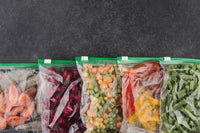
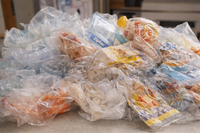
3. Frozen Food BagsFrozen vegetable and fruit bags are a major source of soft plastic waste and are commonly thrown away because they look “too thick” to recycle.
-
4. Bread BagsOne of the most recyclable soft plastic items, bread bags are still among the most frequently trashed.
-
5. Produce BagsLightweight produce bags are often forgotten or knotted and discarded, despite being a core soft plastic.
-
6. Cereal Box LinersThe plastic liners inside cereal boxes are rarely recognized as recyclable soft plastics.
-
7. Takeout and Delivery PackagingFrom inner wraps to plastic liners inside delivery bags, many of these materials are soft plastics hidden in plain sight.
-
8. Bubble WrapOften reused, but just as often trashed, bubble wrap is a recyclable soft plastic when properly compacted.
-
9. Plastic Film from Paper ProductsThe plastic wrap around paper towels, toilet paper, and tissues is a common soft plastic item people overlook.
-
10. Dry Cleaning BagsLarge, thin plastic films from dry cleaning are frequently misidentified and discarded.
-
11. Pet Food BagsMany pet food bags include soft plastic layers that people assume are non-recyclable.
-
12. Plastic Overwrap from MultipacksShrink-style overwraps around multi-item products are rarely sorted correctly.
-
13. Shrink WrapClear or tinted shrink films are widely used in retail packaging and commonly trashed.
-
14. Packaging from Online OrdersMailer liners, air pillows, and inner plastic films from packaging add up quickly.
-
15. Soft Plastic PouchesStand-up pouches and refill packs are increasingly common and often thrown away due to their shape and structure.
Why Proper Sorting and Compaction Matter for Recycling
Soft plastics are lightweight and easily contaminated. When incorrectly sorted, they can jam recycling equipment, lower material recovery rates, and increase processing costs.
According to research from materials recovery organizations, pre-sorted, compacted soft plastics have a significantly higher chance of being successfully recycled into secondary products. Correct sorting at the household level directly improves the economics and feasibility of recycling downstream.

Environmental Impact of Correct Soft Plastic Recycling at Home
Soft plastics that are handled correctly can reduce landfill volume, decrease plastic leakage into ecosystems, and lower the demand for virgin plastic production.
One of the most immediate ways you can reduce your plastic footprint is by improving your household’s plastic collection, especially for flexible packaging. Small, consistent actions at home scale into meaningful environmental outcomes.
So, how can you ensure your plastic gets recycled properly? First, scan the item using ZeroTrash® AI, then add it to your Clear Drop Soft Plastic Compactor (SPC).
How To Get Started With ZeroTrash® AI and the Soft Plastic Compactor (SPC)
Getting started is intentionally simple. Use ZeroTrash® AI to scan everyday packaging, and follow the app’s guidance for sorting.
Once an item is identified as a suitable soft plastic, the next step is proper preparation.
What the SPC helps households do
- Compress soft plastics into dense, manageable forms
- Reduce storage volume
- Keep materials clean and consolidated
- Prepare plastics for real recycling pathways
Compaction is critical because loose soft plastics are difficult to handle, transport, and process at scale.
Together, ZeroTrash® AI and the SPC form a practical system for reducing soft plastic waste confusion at home.
Making Soft Plastic Recycling Simple and Clear
Soft plastic recycling doesn’t fail because people don’t care — it’s because the system is too often unclear.
By combining clear identification (ZeroTrash® AI) with practical preparation (SPC), you can finally make informed decisions without memorizing rules or second-guessing every package. The result is not about perfection but making real, tangible progress.