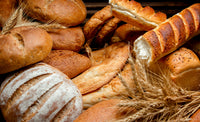
You've found a loaf that's gone stale, a few pizza crusts left after dinner, or crackers that have been sitting in the pantry too long. Tossing bread in the trash feels wasteful. Putting it in a compost pile feels not quite right. And most people aren't sure whether it belongs in a food waste bin. Here's a practical breakdown of what actually works.
Yes. Bread is compostable because it's made from organic ingredients that break down naturally. But it isn't always a good fit for traditional outdoor compost piles, where bread scraps attract rodents, flies, and other pests. The better option for most households is a contained food waste system that handles bread without the mess.
Why Bread in Compost Gets Complicated
Bread may seem harmless, but it behaves differently than vegetable scraps and yard waste once it enters a compost system. Its high carbohydrate content makes it decompose quickly, which sounds like a good thing, but it also creates two potential problems: pests and odors.
The Pest Problem With Outdoor Bins
The main reason composting guides caution against bread is pests. Bread is highly attractive to:
- Rats and mice
- Ants and flies
- Raccoons and possums
- Other scavenging animals
Unlike vegetable peels or coffee grounds, bread smells like food to both humans and wildlife. Open compost piles and poorly sealed bins become easy targets, especially in warmer months.
For apartment dwellers, even small amounts of bread stored improperly can attract fruit flies and create odors indoors within a day or two.
Is Mold a Concern or a Feature?
Many people throw away bread as soon as they see mold. In composting, mold is part of the process. Mold fungi help break down organic material and are naturally present in healthy compost systems.
If bread develops mold before it reaches your compost, that's generally fine. The bigger concern is that moldy bread becomes messier and more attractive to pests when left in open outdoor bins. In a controlled environment, mold is simply decomposition in progress.

What Types of Bread and Baked Goods Are Compostable?
Most baked goods are compostable because they contain organic ingredients that microorganisms can break down. The difference between them is not whether they break down, but how easily each system handles them. Two things shift an item from a confident "yes" to a "sometimes" in a backyard pile:
- Added fats, sugar, and toppings. Plain bread composts cleanly. Butter, jam, oil, and rich pastry add fats and sugars that backyard piles struggle with and that draw pests faster.
- How strongly it attracts pests. Soft, fresh, or moldy bread releases more odor in an open pile than dry, stale crusts, so it needs to be buried or added in small amounts.
That is why plain white and whole wheat bread behave the same way in the table below. The flour type doesn't change much. What changes the rating is fat, sugar, and pest appeal.
Bread, Crackers, Pastry, Pizza Crust: What's Accepted Where
| Item | Outdoor Compost | Municipal Food Waste | Clear Drop OC |
|---|---|---|---|
| Plain bread (white or whole wheat) | Yes, in small amounts | Yes | Yes |
| Stale bread | Yes | Yes | Yes |
| Moldy bread | Yes, buried in the pile | Yes | Yes |
| Crackers | Yes | Yes | Yes |
| Bagels | Yes | Yes | Yes |
| Pizza crust (plain) | Yes, in small amounts | Usually accepted | Yes |
| Croissants & pastries | Limited (fats and sugar) | Usually accepted | Yes |
| Bread with butter | Discouraged (fats) | Usually accepted | Yes |
| Bread with jam | Discouraged (sugar) | Usually accepted | Yes |
Plain bread of any flour type is fine for a backyard pile in small, buried amounts. The "discouraged" and "limited" ratings apply to items with added fats or sugar (butter, jam, rich pastry), which backyard piles handle poorly and which attract pests. Municipal and Clear Drop OC systems accept all of these. Always check local guidelines if you use a municipal food waste program, as accepted materials vary by location.
What to Do With Stale Bread Before Composting It
Before adding bread to any compost system, consider whether you can still use it. Stale bread has many easy and delicious uses. Try to:
- Make croutons by cutting it into cubes, tossing with olive oil, and baking.
- Blend into breadcrumbs for coating or topping dishes.
- Use in bread pudding or for French toast.
- Incorporate into stuffing or panzanella.
- Feed backyard birds in moderation, where appropriate.
Of course, not every forgotten loaf can be saved. When bread becomes moldy or simply unusable, composting is the next best option.
Bread in a Food Waste Bin vs. Outdoor Compost
Many cities now collect food waste separately from household trash. These programs typically accept bread and baked goods, including buttered or topped bread, because industrial composting facilities operate at higher temperatures and process material more efficiently than backyard systems.
Outdoor composting is different. Plain bread can break down in a backyard pile, but it may require:
- Careful mixing with carbon-rich materials like dry leaves or cardboard
- A pest-resistant compost bin with a secure lid
- Proper moisture control to prevent clumping
- Regular maintenance to keep the pile aerated
Without those conditions, bread creates odor and pest issues before it has a chance to decompose. The same applies if you want to compost food scraps indoors. So what's a good alternative?
The OC Approach to Kitchen Bread Waste
For most households, the challenge with composting bread is managing it without attracting pests, creating odors, or dealing with a messy outdoor system. That is exactly what the Clear Drop Organics Collector (OC) was designed for.

The Clear Drop Organics Collector (OC)
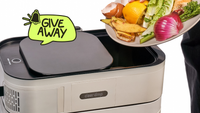
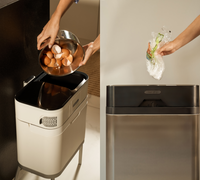
The Clear Drop Organics Collector (OC) is a smart food scrap bin designed for modern households that want an easier way to manage food waste indoors. Unlike traditional outdoor compost systems, the OC stores food scraps in a contained, odor-controlled environment, making it suitable for apartments, small kitchens, and any home where outdoor composting is not practical.
The OC accepts all of the bread waste that outdoor bins struggle with:
- White bread, whole wheat, and stale loaves
- Pizza crusts and bagels
- Crackers and pastries
- Croissants and baked goods with butter or jam
- Moldy bread
This is how it works:
- Plug in the OC and choose your fan level (eco, regular, or intense) depending on how much waste you're generating.
- Add food scraps, including bread. The automatic sliding lid opens without touching it, which is useful when your hands are messy from cooking or cleaning.
- The OC uses air ventilation, ozone, and carbon filtration to slow microbial growth and prevent odors. It reduces moisture by up to 40% daily, keeping scraps dry and contained without grinding or heating.
- When the bin is full, typically once a week for an average family of four, press the release button and take the inner bin to a municipal organics cart or curbside compost bin. If you compost at home outdoors, send plain bread and scraps to the pile, but route richer items like buttered or jammed bread, pastries, and oily food through a municipal or commercial organics program instead, since backyard piles don't handle those well.
Because the OC collects every kind of food scrap together, the right drop-off depends on what's inside. Municipal and curbside organics programs accept the full mix, including buttered or topped bread. A backyard pile is best reserved for plain, unbuttered scraps. When in doubt, the municipal stream is the safe choice for a mixed bin.
Key specs worth knowing:
- The OC holds up to 3.7 gallons, roughly one week of food scraps for a family of four.
- It consumes a maximum of 5.1 kWh per month, around $0.84 in electricity.
- It is ETL-certified for safety and operates silently.
- It can be mounted on a wall, placed on a countertop, or set on the floor.
The OC is not a composting machine. It does not grind or heat food waste. It keeps scraps dry, odor-free, and contained until they can reach a proper composting facility, which is where the actual environmental impact happens.
The OC is available for a one-time cost of $399, or $40/month for 12 months. Includes a 30-day risk-free trial and 1-year warranty.
No Pests, No Mess
Can you compost bread? Yes. Bread, crackers, bagels, pizza crusts, and most baked goods are compostable organic materials. The challenge is not whether these foods break down, it's how you manage them.
Traditional outdoor compost systems can attract pests and require careful maintenance, and they handle buttered or sugary baked goods poorly. For households looking for a simpler solution, the OC makes it easy to collect every kind of bread waste in one place, without mess, odors, or pest concerns, whether you live in an apartment or a house.
Handle Bread Waste the Easy Way
The Clear Drop Organics Collector keeps bread, baked goods, and every other food scrap dry, contained, and odor-free until they're ready for proper composting, no pests and no mess.
Explore the Organics Collector →