Are Ziploc Bags Recyclable? The Honest Answer About Soft Plastics at Home

Are Ziploc Bags Recyclable? The Honest Answer About Soft Plastics at Home

Alena Hileuskaya
Are Ziploc Bags Recyclable? The Honest Answer About Soft Plastics at Home
Navigation


Many people assume Ziploc bags go in the recycling bin along with bottles, cans, and cardboard. They're plastic, so it seems logical. That assumption is wrong, and it's one of the most common recycling mistakes in American households.

Quick Answer

No. Ziploc bags and most soft plastics cannot go in curbside recycling bins. They are technically made of recyclable plastic (#4 LDPE), but standard recycling facilities are not built to process them. They must be recycled through store drop-off programs or a dedicated home system.

According to the U.S. Environmental Protection Agency (EPA), Americans generated 35.7 million tons of plastic waste in a single year, yet only 8.7% of plastic was recycled. Flexible plastics, including bags, wraps, and films, are among the hardest materials to recover.

8.7%

of plastic in the U.S. was recycled in a single year, per the EPA

35.7M

tons of plastic waste generated annually in the U.S., with flexible plastics among the hardest to recover

14.5M

tons of U.S. plastic waste comes from containers and packaging each year

#4

LDPE: the recyclable plastic Ziploc bags are made from, yet still rejected by curbside systems

The Short Answer: Not in Your Curbside Bin

Yes, Ziploc bags are technically made of recyclable plastic (#4 LDPE). But no, they don't belong in your curbside bin.

Most curbside recycling facilities are built to handle rigid materials, such as:

  • Plastic bottles and jugs
  • Cardboard and paper
  • Aluminum cans
  • Glass containers

Soft plastics are different. They are lightweight, flexible, and behave unpredictably inside sorting equipment. Even a clean, empty Ziploc bag can cause problems the moment it enters a standard recycling stream.

If your local program says no plastic bags, that applies to food storage bags, produce bags, bread bags, and any other thin flexible film.

Why Soft Plastics Break Recycling Machines

Modern recycling facilities use conveyor belts, spinning discs, optical sorters, and rotating screens to separate materials by size, weight, and shape. Rigid containers move through these systems with ease. Soft plastics do not.

When bags and films enter curbside recycling, they tend to:

  • Wrap around rotating equipment
  • Tangle in sorting screens
  • Jam conveyor belts
  • Contaminate other recyclable materials
  • Force manual shutdowns for equipment cleaning

Recycling industry sources have identified plastic bags as one of the most common causes of mechanical failures at material recovery facilities. Workers often have to physically cut tangled plastic from machinery, adding labor costs and reducing processing capacity. (Source: National Geographic)

This is not a consumer failure but a mismatch between system design and material behavior. Clear Drop created the Soft Plastic Compactor (SPC) to address this very issue. For a full breakdown of how the SPC handles what curbside systems cannot, see Soft Plastic Compactor vs. Curbside Recycling: The Real Difference.

What About Store Drop-Off Programs?

Some soft plastics can be recycled through dedicated store drop-off programs at participating grocery and retail locations. These programs exist specifically because curbside systems cannot handle flexible plastic effectively.

What They Accept and Where to Find Them

Many store drop-off programs accept clean and dry soft plastics, including:

  • Plastic shopping bags
  • Produce bags
  • Bread bags
  • Dry-cleaning bags
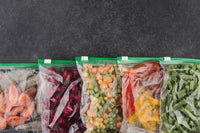
  • Zip-top storage bags
  • Plastic overwrap from paper towels and water cases
  • Newspaper sleeves

The materials that are collected are often processed into composite decking, outdoor furniture, and shipping pallets. To find a location near you, look for labeled collection bins near store entrances or customer service desks.

Why They Don't Always Work

Store drop-off programs sound straightforward. In practice, participation rates stay low. Recycling soft plastics through a drop-off program requires:

  • Collecting bags and films separately at home
  • Cleaning and drying everything
  • Storing them until you have enough to make a trip worthwhile
  • Remembering to bring it
  • Making a separate stop if you're not already visiting that store

Those are a lot of steps between intention and action. For most busy households, soft plastics end up in the trash, not because people don't care, but because the process takes extra time, space, and energy that we don't always have. This friction is one of the central reasons so many soft plastic recycling myths persist. For a deeper look at what is actually holding people back, see Soft Plastic Recycling Myths That Stop People from Taking Action.

Which Plastics Are Considered Soft Plastics?

Soft plastics are far more common in daily life than most people realize. According to EPA data, containers and packaging account for approximately 14.5 million tons of plastic waste in the U.S. annually. (Source: EPA Containers and Packaging Data)

Common Soft Plastics: Recyclable or Not?

Item Curbside Recycling Store Drop-Off Programs
Ziploc bags No Often accepted
Grocery bags No Often accepted
Produce bags No Often accepted
Bread bags No Often accepted
Plastic shipping mailers No Sometimes accepted
Bubble wrap No Sometimes accepted
Plastic overwrap No Often accepted
Newspaper sleeves No Often accepted
Snack wrappers Usually no Usually no
Chip bags Usually no Usually no
Frozen food bags Usually no Varies by program
Multi-layer packaging Usually no Usually no
Note

Accepted items vary by location, so always verify with your local program before dropping anything off.

A Smarter System for Home Soft Plastic Collection

The core problem with soft plastic recycling is the extra effort it requires. When recycling involves multiple extra steps, even well-intentioned households skip it consistently.

The easiest solution is a dedicated system at home that collects soft plastics and removes any decision-making from the process.

The Clear Drop Soft Plastic Compactor (SPC)

The Clear Drop Soft Plastic Compactor (SPC) was designed specifically for this problem. Instead of stuffing grocery bags into other grocery bags or letting wrappers pile up in a kitchen drawer, the SPC gives soft plastics a dedicated home right at home.

Here's how it works:

  • After using them, feed soft plastics into the SPC. Ziploc bags, grocery bags, bubble wrap, food wrappers, shipping mailers, and other flexible plastics all go in.
  • The SPC automatically compresses the material. It stores roughly one month of soft plastic waste from a typical household and compresses it down to about 10% its original volume.
  • Once full, the SPC forms a compact, dense block using a low-heat process. The patented block-forming technology has been tested and confirmed safe for indoor use, with VOC (volatile organic compounds) levels well within safe limits.
  • Mail the block to Clear Drop using a prepaid shipping envelope included with your subscription. Clear Drop handles transport to a certified U.S. recycling facility, such as Frankfort Plastics in Indiana, where the material is shredded and turned into raw material for new durable goods. See the full recycling process here.

The SPC accepts #2 HDPE, #4 LDPE, #5 PP, and expanded polyethylene. That covers the vast majority of everyday soft plastic packaging.

40 lb

of soft plastic a single household can keep out of landfills over a year of regular SPC use

60 lb

of CO₂ emissions reduced annually through consistent at-home collection

The SPC has been recognized at CES 2026 and reviewed by Wired, The Verge, Engadget, and Time. Available for pre-order, delivery from June 2026.

Collect at Home, Recycle Properly

Ziploc bags and other soft plastics don't belong in most curbside recycling bins. Placing them there can actively damage the systems designed to handle other recyclable materials.

The practical path forward is to:

  • Keep soft plastics out of the curbside bin.
  • Use store drop-off programs when they are genuinely convenient.
  • Build a dedicated home collection system that removes friction from the process.

The EPA reports that nearly 27 million tons of plastic were landfilled in a single year in the U.S. No single household solves that alone, but creating better collection habits at home is where real change actually starts.

Recycle Soft Plastics Without the Hassle

The Clear Drop Soft Plastic Compactor turns recycling soft plastics into an effortless habit that saves you space and time, all with the guarantee that your plastic actually gets recycled.

Explore the Soft Plastic Compactor →

Latest posts All posts

Are Ziploc Bags Recyclable? The Honest Answer About Soft Plastics at Home

Are Ziploc Bags Recyclable? The Honest Answer About Soft Plastics at Home

  Many people assume Ziploc bags go in the recycling bin along with bottles, cans, and cardboa...
Can You Compost Cooked Food? What Goes In (And What Doesn't)

Can You Compost Cooked Food? What Goes In (And What Doesn't)

  You're already full but looking down at a half-eaten plate. You pause. The compost bin is ri...
6 Steps to Launching a ZeroTrash Program at Your Organization

6 Steps to Launching a ZeroTrash Program at Your Organization

Sustainability intentions are easy. Operational sustainability is harder — and far more val...
The Real Difference Between Composting and Organic Waste Collection

The Real Difference Between Composting and Organic Waste Collection

Most people trying to manage food waste hit the same wall. Backyard composting requires outdoor...
Organic Waste Laws by State: What's Already Required and What's Coming

Organic Waste Laws by State: What's Already Required and What's Coming

Most conversations about composting start with legitimate questions: Why does it matter? What d...
How To Talk to Your Roommates (or Partner) About Waste Sorting

How To Talk to Your Roommates (or Partner) About Waste Sorting

You've already done the hard work: figured out how to sort your food scraps, learned that soft ...
Food Scraps in the Landfill: What's Actually Happening Underground

Food Scraps in the Landfill: What's Actually Happening Underground

Most food scraps end up in landfills, where they produce methane — a greenhouse gas far more po...
Atlantic Health Demonstrates Diversion of One Ton of Plastic Waste Annually with SPC

Atlantic Health Demonstrates Diversion of One Ton of Plastic Waste Annually with SPC

Single-use plastic waste is one of the most persistent challenges facing healthcare facilities ...
Earth Day 2026: 5 Waste Habits That Make a Real Difference at Home

Earth Day 2026: 5 Waste Habits That Make a Real Difference at Home

🌍 Earth Day 2026 5 Small Habits That Actually Reduce Household Wast...
The Organics Collector as a Community Tool: Why Early Adopters Are Leading the Change

The Organics Collector as a Community Tool: Why Early Adopters Are Leading the Change

Most people assume that waste habits are shaped by systems — city programs, building rules, mun...
How Sustainable Practices Help Attract and Retain Business Customers

How Sustainable Practices Help Attract and Retain Business Customers

"Our clients' clients are holding them accountable for sustainability, and that pressure trave...
Why Your Kitchen Compost Bin Still Smells and What Actually Fixes It

Why Your Kitchen Compost Bin Still Smells and What Actually Fixes It

"I tried bins with filters before. They still had fruit flies and odor — I was already thinkin...
What is an Organics Collector? (And Why It’s Not a Composter)

What is an Organics Collector? (And Why It’s Not a Composter)

What Is an Organics Collector? (And Why It's Not a Composter) A quick search for a "composter a...
Global Recycling Day: The Reality of  Recycling and How You Can Help Improve the Stats

Global Recycling Day: The Reality of Recycling and How You Can Help Improve the Stats

March 18 is Global Recycling Day, an international initiative created by the Global Recycling F...
Soft Plastic Recycling Myths That Stop People from Taking Action

Soft Plastic Recycling Myths That Stop People from Taking Action

Soft plastic recycling myths that stop people from taking action Soft plastic recycling can be ...
How ZeroTrash Initiatives Improve Workplace Culture and Attract Eco-Conscious Talent

How ZeroTrash Initiatives Improve Workplace Culture and Attract Eco-Conscious Talent

Plus, A 6-Step Approach to Implementing ZeroTrash Adoption Sustainability is no longer a side ini...
Mandatory Organic Waste Separation in New York: How To Comply Without Odors, Messes, or Fines

Mandatory Organic Waste Separation in New York: How To Comply Without Odors, Messes, or Fines

Over the past couple of years, New York City has steadily changed how residential waste is ...
UCSF Health's Mission Bay Hospital Achieves Guaranteed Recycling of Pharmacy Soft Plastic Waste with Clear Drop SPC

UCSF Health's Mission Bay Hospital Achieves Guaranteed Recycling of Pharmacy Soft Plastic Waste with Clear Drop SPC

Healthcare facilities generate massive amounts of plastic waste daily, and California's ambitiou...
How To Compost Eggshells and Vegetable Scraps the Right Way: Faster, Nutrient-Rich Composting & Zero-Waste Kitchen Tips

How To Compost Eggshells and Vegetable Scraps the Right Way: Faster, Nutrient-Rich Composting & Zero-Waste Kitchen Tips

In many homes, food scraps make up around 25% to 30% of household waste. When sent to landfills, ...
Soft Plastic Compactor vs. Curbside Recycling: The Real Difference

Soft Plastic Compactor vs. Curbside Recycling: The Real Difference

Most people assume recycling works when something goes into the blue bin. But for soft...
How Your Household Can Save Up to $240 a Year on Trash Costs

How Your Household Can Save Up to $240 a Year on Trash Costs

Household trash bills are rarely questioned. Most people accept them as a fixed cost, just like...
How ZeroTrash® AI Helps You Identify Soft Plastics Correctly

How ZeroTrash® AI Helps You Identify Soft Plastics Correctly

ZeroTrash® AI is designed to take the guesswork out of everyday waste decisions. Using a camer...
Why CES 2026 Shifted the Conversation Around Household Waste

Why CES 2026 Shifted the Conversation Around Household Waste

CES has always been a place for bold ideas and ambitious visions. But this year, we noticed a sub...
How to Compost in an Apartment (Without Annoying Your Neighbors or Your Landlord)

How to Compost in an Apartment (Without Annoying Your Neighbors or Your Landlord)

Many people still believe composting requires a yard. In reality, modern indoor composting work...
Post-Holiday Waste Reset: Starting 2026 With a Clean, ZeroTrash® Kitchen

Post-Holiday Waste Reset: Starting 2026 With a Clean, ZeroTrash® Kitchen

The holidays may bring plenty of celebration — but they can also leave a big mess, between a clut...
From Trash to Treasure: Real Products Made From Recycled Soft Plastics (and How Clear Drop Makes It Happen)

From Trash to Treasure: Real Products Made From Recycled Soft Plastics (and How Clear Drop Makes It Happen)

Fun fact: Soft plastics aren’t “unrecyclable.” They’ve just been collected the wrong way for over...
Holiday Composting Guide 2025: How to Reduce Waste at Christmas & New Year Events

Holiday Composting Guide 2025: How to Reduce Waste at Christmas & New Year Events

The holidays bring plenty of food, cheer, and …. waste? With all those extra food scraps, packagi...
How Much Food Americans Waste and What You Can Do

How Much Food Americans Waste and What You Can Do

Key Takeaways Americans waste 30%-40% of their total food supply each year ...
How the Shaw Institute Successfully Started to Recycle Laboratory Soft Plastic Waste for the First Time with SPC

How the Shaw Institute Successfully Started to Recycle Laboratory Soft Plastic Waste for the First Time with SPC

The Shaw Institute in Blue Hill, Maine, is a respected nonprofit research organization studying t...
10 Soft Plastics You Didn’t Know You Could Recycle at Home

10 Soft Plastics You Didn’t Know You Could Recycle at Home

Key Takeaways Only 1% of U.S. households have access to curbside film recyc...
How Clear Drop’s Soft Plastic Compactor (SPC) Recycling System Works | Clear Drop

How Clear Drop’s Soft Plastic Compactor (SPC) Recycling System Works | Clear Drop

At Clear Drop, we're redefining what responsible soft plastic recycling looks like. Our Sof...
How Geekdom sparked early wins in soft plastic recovery with the Clear Drop's SPC

How Geekdom sparked early wins in soft plastic recovery with the Clear Drop's SPC

Geekdom is a cornerstone of San Antonio’s startup and innovation ecosystem. Spread across four fl...
How Trinity University advanced soft plastic recycling with the SPC

How Trinity University advanced soft plastic recycling with the SPC

Flexible plastic waste is one of the most persistent challenges on college campuses. From snack w...
From soft plastic to microplastic: what to know

From soft plastic to microplastic: what to know

Soft plastic packaging surrounds almost every product we buy — bags, wrappers, film, shippi...
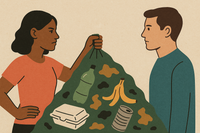
Survey reveals trash sparks more fights than childcare, and why recycling Is at the heart of It

Survey reveals trash sparks more fights than childcare, and why recycling Is at the heart of It

Trash duties are the most underestimated part of modern household life—yet they’re one of the big...
How one office building pilot became a model for smarter soft plastic waste reduction

How one office building pilot became a model for smarter soft plastic waste reduction

Commercial buildings generate a large share of soft plastic waste — from deliveries, shipments, ...
Official rules: Clear Drop OC pre-order giveaway

Official rules: Clear Drop OC pre-order giveaway

The drawing was heldWINNER SELECTION VIDEO1. SPONSOR The Clear Drop Pre-Order Giveaway (the “Give...
Fixing the broken recycling system: why Clear Drop® exists

Fixing the broken recycling system: why Clear Drop® exists

The global recycling system is struggling to keep up with the waste we generate. Most soft pla...
Getting started with soft plastic waste collection at home

Getting started with soft plastic waste collection at home

Flexible packaging makes everyday life easier, but most soft plastics still end up in landf...
How Eduardo's Bridal & Tuxedo reduced soft plastic waste volume by 90% with the SPC

How Eduardo's Bridal & Tuxedo reduced soft plastic waste volume by 90% with the SPC

Garment retail businesses rely heavily on flexible plastic packaging to protect inventory. But on...
Clear Drop: how we’re revolutionizing home waste management

Clear Drop: how we’re revolutionizing home waste management

Most household waste still ends up in landfills, not because people do not want to recycle, but b...
Why business recycling matters: a key to corporate sustainability

Why business recycling matters: a key to corporate sustainability

Corporate sustainability is now a critical business priority. Both employees and customers ...
Tackling plastic in the healthcare industry: challenges and solutions

Tackling plastic in the healthcare industry: challenges and solutions

U.S. healthcare produces more than 5 million tons of waste every year, and plastics account for...
Composting: electric vs. professional or traditional options

Composting: electric vs. professional or traditional options

In the United States, food scraps make up a significant share of household waste — yet only...
Soft plastic recycling: key challenges and solutions

Soft plastic recycling: key challenges and solutions

Soft plastics like grocery bags, bubble wrap, and packaging film make up a growing share of...
All posts

FAQs

Ziploc bags are made from #4 LDPE plastic, which is technically recyclable but not accepted in standard curbside bins. Curbside systems are designed for rigid materials, not flexible bags, which end up getting jammed in sorting machinery. Clean, dry Ziploc bags can be dropped off at participating retail soft plastic collection points or processed at home using the Clear Drop SPC. The SPC compresses them into a dense block, which is then  shipped to a certified recycler.

Most Ziploc-style bags are made from low-density polyethylene, labeled #4 LDPE. Some varieties use linear low-density polyethylene (LLDPE), a subset of the same family. Both are technically recyclable but require specialized processing, which is why standard curbside programs don’t accept them. The Clear Drop SPC is designed to handle both.

No. Grocery bags, produce bags, and zip-top storage bags should not go in curbside recycling bins. They tangle in sorting equipment, cause mechanical shutdowns, and contaminate other recyclable materials. Use a store drop-off program or a home soft plastic compactor instead.

Bags that enter a curbside bin wrap around conveyor belts and rotating screens at the sorting facility, causing jams that require manual clearing. This slows down processing, raises operating costs, and can contaminate entire batches of recyclable material. In some cases, a full load is sent to the landfill because of soft plastic contamination.

The most practical option is the Clear Drop SPC. It collects and compresses soft plastics into a dense block over the course of a month. When the block is ready, you mail it using a prepaid shipping label included in your subscription. The block goes to a certified U.S. recycling facility where it is processed into raw material for durable goods. No store trips, no sorting, just guaranteed recycling.

Yes, all three are polyethylene film and are technically recyclable. However, none belong in curbside bins. They are accepted at many soft plastic drop-off programs when clean and dry, and can also be fed into the Clear Drop SPC along with other flexible packaging.

Hard plastics, such as bottles, jugs, and rigid containers, maintain their shape and move predictably through sorting equipment. Soft plastics are flexible and tend to wrap around machinery, disrupting the entire recycling process. This is why hard plastics are accepted curbside almost everywhere, while soft plastics require a dedicated collection stream. For a full technical comparison, see Soft Plastic Compactor vs. Curbside Recycling: The Real Difference.

Yes. Whether you use a store drop-off program or the Clear Drop SPC, soft plastics should be reasonably clean and dry. Food residue causes odors, attracts pests, and reduces the quality of recycled output. Rinse lightly and let dry before adding to your collection.

A typical U.S. household generates enough soft plastic to fill the Clear Drop SPC roughly once per month, around 3 pounds of compressed material per cycle. Over a year, that is approximately 40 pounds of soft plastic that can either be recycled or end up in a landfill, depending on the system in place.

Yes. The Clear Drop Soft Plastic Compactor (SPC) is a countertop appliance that accepts grocery bags, Ziploc bags, bubble wrap, shipping mailers, and other flexible plastics. It compresses them into a dense block using a low-heat patented process. You then mail the block to Clear Drop’s recycling partners via prepaid USPS shipping. The SPC has been recognized at CES 2026 and reviewed by outlets including Wired, The Verge, and Engadget.