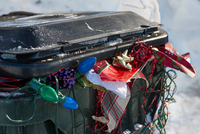
The holidays bring plenty of food, cheer, and …. waste? With all those extra food scraps, packaging, and single-use holiday supplies, household waste increases by roughly 25% between Thanksgiving and New Year’s, per an estimate by the U.S. Environmental Protection Agency (EPA).
One of the most effective ways to reduce this seasonal spike in waste? Composting.
With a little preparation, you can make composting easy this holiday season, whether you’re organizing a small home gathering, office celebration, or large community event.
This guide summarizes what can (and can’t) be composted during holiday meals, how to set up event waste stations that actually work, and the practical tools that households can use to manage organics without the mess or the stink.
Key Takeaways
- Food waste increases by 25%–40% during the holiday season.
- Most holiday food scraps can be composted with the right method and clear sorting rules.
- Certified compostables are accepted at commercial facilities — but not always at home.
- Clear signage dramatically reduces contamination in compost bins.
- Indoor-friendly organics collector appliances can help families and offices cleanly and efficiently manage food scraps during busy events.
Why Holiday Food Waste Spikes — and Why Composting Matters
The holidays are often associated with abundance — for better or worse. In November and December, there’s a pronounced increase in over-purchasing, buffet-style serving, and leftover-heavy cooking.
This all leads to a lot of extra waste — and most of it goes straight to the trash can, then the landfill.
The problem is, when organic waste goes to landfills, it decomposes anaerobically and produces methane, a greenhouse gas that is at least 28 times more potent than CO₂ over a 100-year period.
To help reduce your footprint, use the peak waste periods of the holidays to introduce easy composting habits that can persist beyond the season.

What You Can (and Can’t) Compost During Holiday Meals
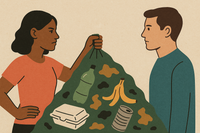
Take note of the following lists to guide you through proper composting this holiday season (and beyond):
Food Scraps & Decorative Organics You Can Compost at Home
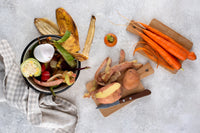
- Fruit and vegetable peels and scraps (pumpkin pieces, citrus peels, apple cores, etc.)
- Dried fruits
- Cinnamon sticks
- Bread and grains
- Herbs
- Rice and pasta
- Coffee grounds and tea leaves
- Cookie crumbs
- Pinecones
- Natural wreaths (no wire)
-
Kraft paper wrap
Items That Require Commercial Composting
- BPI-certified compostable plates/cups
- “Compostable” bioplastic utensils
- Some dairy- and oil-heavy foods
Waste Not Compostable at Home
-
Turkey bones and meat scraps (acceptable with the Organics Collector)
- Glossy paper plates
- Foil, chip bags
- Glitter decor
- Metallic wrapping
- Plastic ornaments
- Synthetic ribbons
Holiday Composting Reference Table (2025)
|
Item |
Home Compost |
Organics Collector / Bokashi |
Commercial Compost |
Trash |
|
Fruit and veggie peels, scraps |
Yes |
Yes |
Yes |
No |
|
Turkey bones |
No |
Yes |
Sometimes |
Yes |
|
Cheese, gravy |
No |
Yes |
Sometimes |
Yes |
|
Stuffing, casseroles |
Risky |
Yes |
Yes |
No |
|
Uncoated paper plates |
Yes |
Yes |
Yes |
No |
|
Certified compostable cups |
No |
No |
Yes |
No |
|
Foil, plastic wrap |
No |
No |
No |
Yes |
|
Glitter decor |
No |
No |
No |
Yes |
Tools That Make Holiday Composting Easier
Traditional home compost systems can be difficult to maintain during holiday events because they often get overloaded, attracting odors and potentially pests. Many are located outdoors, making it less convenient to throw away scraps. And most do not accept big food items like meat or dairy.
For these reasons, households and offices are opting to use indoor organics collection systems to manage high-volume holiday scraps cleanly and without odor.
Organics Collector Appliance

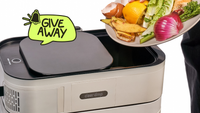
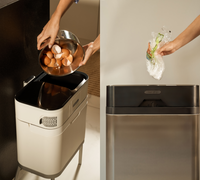
Kitchen appliances, such as Clear Drop’s Organics Collector, are designed for odor-free indoor storage of mixed food scraps. They are especially useful during holiday gatherings because they:
- Suppress smells, even when holding meat, bones, and other rich foods
- Prevent fruit flies and pests
- Allow guests to easily sort waste
- Reduce contamination in compost bins
- Keep kitchens organized during peak cooking days
Using this type of device does not replace composting, though. Instead, it simplifies the first (and often messiest) step — collecting holiday scraps and organics before they are taken outdoors or to a drop-off site.
How to Set Up a Holiday Compost Station for the Home, Office, or Events

Not sure where to start? Follow the below steps to keep the party going and the waste at bay.
1. Choose the Right Collection System
Figure out which type of composting system will work best for you. Choose from options such as:
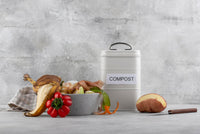
- Countertop caddies
- Outdoor compost bins
- Municipal green bins (where available)
- Bokashi systems
- Organics collector appliances for clean indoor storage
- Large event composting totes
2. Place Bins in Strategic Positions
Think about the natural flow between dishing up, eating, and disposing. Some good locations to place trash and organic waste bins include:
- Near the buffet or food stations
- Next to the kitchen island
- By drink tables
- Along high-traffic areas
3. Add Clear “YES / NO” Signage
Offer clear printed instructions as to what waste goes where. For example
- YES — food scraps, napkins, paper plates
- NO — plastic, foil, glitter, coated paper
Better yet, include visuals of examples and recruit a volunteer “green lead” to manage waste areas.
How to Reduce Food Waste Before & After Your Holiday Event
Before the party even starts, plan ahead to avoid too much extra food and waste. Consider the number of guests and:
- Plan realistic portions
- Use smaller plates
- Prepare low-waste recipes
- Encourage reusable containers for leftovers
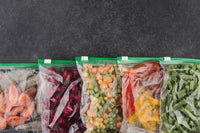
- Freeze portions ahead of time
Dealing With Leftovers After the Event

You can’t always calculate your food needs exactly, but you can donate, repurpose, freeze, or compost any extras after the event.
- Donate: The Bill Emerson Good Samaritan Food Donation Act protects good-faith food donations. Most communities offer at least a few places where you can donate food.
- Repurpose: Be creative and use any leftover food or ingredients to make new dishes like soups, casseroles, grain bowls, or frittatas.
- Freeze: Bigger items such as meat, roasted vegetables, baked goods, stuffings, and breads freeze well and can come in handy for later.
- Compost: Of what remains, make sure to compost it either at home or through a community program.
Sustainable Holidays Start With Small Changes
Small, repeated behaviors during the holidays and other peak waste seasons can help build long-term waste-reduction routines. As cities continue to expand food-waste programs, households across the country are adopting composting habits and taking advantage of indoor-friendly compost solutions like Clear Drop’s Organics Collector.
Whether you host a small dinner or a large office celebration, a well-planned compost system, supported by clear signage and simple indoor tools, can dramatically reduce your holiday waste footprint.