Earth Day sustainability concept with hands holding a globe outdoors, representing environmental protection and reducing waste

Earth Day 2026: 5 Waste Habits That Make a Real Difference at Home

Alena Hileuskaya
Earth Day sustainability concept with hands holding a globe outdoors, representing environmental protection and reducing waste
Navigation
🌍 Earth Day 2026

5 Small Habits That Actually Reduce Household Waste

Every Earth Day, we hear the same message: reduce, reuse, recycle. But how do we know which everyday habits actually make a difference? Not all waste is actually waste — even though much of it ends up in landfills.

24%

of U.S. landfill material is food waste — the single largest category, per the EPA

9%

of all plastic waste is recycled worldwide — with soft plastics at the very bottom

70%

projected growth in global waste by 2050, driven largely by packaging patterns

Sources: U.S. EPA — Sustainable Management of Food · OECD Global Plastics Outlook (2022) · World Bank — What a Waste 2.0

As individuals, we can help move the needle on these numbers. Small, consistent habits matter more than occasional big efforts. Below are five easy habits you can start today.

Habit 1

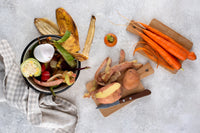
Separate Your Food Scraps

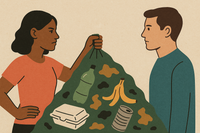
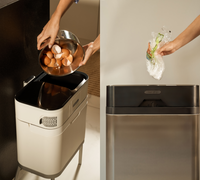
Separating food scraps in the kitchen

Why This Is the Highest-Impact Change

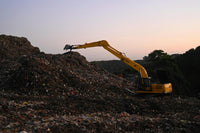
Food waste is both a resource and a climate problem. When organic material ends up in a landfill, it decomposes anaerobically — without oxygen — releasing methane. The EPA identifies methane as over 25× more potent than CO₂ over a 100-year period.

25×

more potent than CO₂ — that's how the EPA classifies landfill methane from organic decomposition

#1

Food is the single largest category sent to U.S. landfills and incinerators, per the EPA

Whether you compost at home or use municipal collection, separating your food scraps is the first major step in diverting food waste away from landfills.

How the Organics Collector makes this effortless

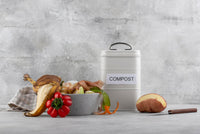
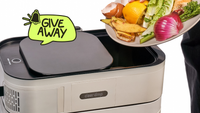
The most common reasons people abandon food-scrap separation: odor buildup, moisture and fruit flies, and no convenient storage for small kitchens. These are exactly the problems the Organics Collector (OC) is designed to solve. Built for daily kitchen use in compact spaces, it reduces moisture buildup, minimizes odor, and makes separation a realistic daily habit. See the Organics Collector →

Habit 2

Stop Throwing Soft Plastics Into the Recycling Bin

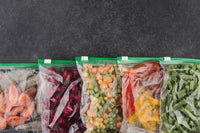
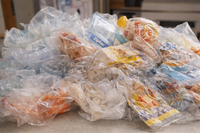
Soft plastics collection at home

Soft plastics — including plastic film, bread bags, produce wraps, bubble wrap, and grocery bags — are one of the most commonly misunderstood waste categories.

Why soft plastics don't belong in curbside bins

When placed in curbside bins, soft plastics get tangled in sorting facility machinery, causing shutdowns and contaminating otherwise recyclable loads. They can be recycled, but only through separate drop-off programs at participating retailers via the How2Recycle program.

Here's what to do instead:

  1. Remove soft plastics from your curbside bin entirely.
  2. Collect clean, dry film plastic in a separate bag.
  3. Drop off at a participating retailer. Use the How2Recycle store locator to find a location near you.

If your household generates significant soft plastic regularly, consider the Soft Plastic Compactor (SPC) from Clear Drop. It compacts about a month's worth of soft plastic into a manageable size for easy storage and drop-off.

Habit 3

Buy Less Packaged Food

Most people underestimate how much packaging they bring home each week. You can make small, consistent purchasing shifts to reduce plastics and costs over time — without making any major changes in your shopping habits.

Practical packaging swaps
  • Choose fresh, loose produce over pre-bagged or shrink-wrapped alternatives
  • Opt for large packaging — one 32-oz container instead of four 8-oz single-serve portions
  • Use refillable containers for pantry staples where bulk sections are available
  • Try concentrated or solid-format cleaning and personal care products, like tablets or bars

If you can consistently reduce packaging on just two or three of your regular purchases, you can create meaningful long-term impact.

Habit 4

Check What Your City Actually Recycles

One of the least-visible but most consequential problems in household recycling is called "wishcycling": placing items in the recycling bin with hopes they'll be processed, without checking whether they actually are.

Contamination from non-recyclable items can cause entire truckloads to go to the landfill.

U.S. EPA — Recycling Basics

Recycling rules vary significantly by municipality. What's accepted in one city may be rejected in a neighboring one — and accepted materials change when processing contracts change.

What to do

Look up your municipality's current accepted materials list on your city or county's waste management website. U.S. households can also go to Earth911.com for a material-by-material search by zip code.

Habit 5

Make It a Household Habit, Not a Solo Effort

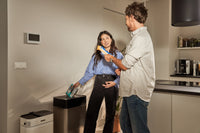
Family sorting waste together at home

Waste habits tend to break down when they depend on one person to enforce and sustain. When shared among the whole household, they stick.

What tends to work
  • Label bins clearly — so it's obvious what goes where without having to think
  • Keep the food-scrap container on the counter, not under the sink — visibility drives usage
  • Do a 10-minute household recycling audit together, going through what your city accepts and doesn't
  • In shared living, clear labelling and signage matters even more — shared bins with unclear rules are a main contamination source in multi-unit buildings

When one household member sorts consistently, others tend to follow. Behavior change spreads in close-proximity settings. Families with children who practice visible sorting at home show higher rates of environmental habit adoption over time.


Start With One New Habit This Earth Day

The highest-impact place to start is separating your food scraps — but it's also often the first habit people drop. The Organics Collector (OC) is built for compact kitchen spaces and manages moisture and odor: the two things that make food-scrap separation feel impractical in most households.

Organics Collector by Clear Drop

For soft plastics, the Soft Plastic Compactor (SPC) compacts up to 3 pounds of film plastic, making it easy to manage in a small space with fewer drop-offs.

Soft Plastic Compactor by Clear Drop

This Earth Day, don't aim for perfection.

Start with just one habit and make it stick. The OC and SPC are built for exactly that.

Shop Organics Collector → Shop Soft Plastic Compactor →

Latest posts All posts

Earth Day 2026: 5 Waste Habits That Make a Real Difference at Home

Earth Day 2026: 5 Waste Habits That Make a Real Difference at Home

🌍 Earth Day 2026 5 Small Habits That Actually Reduce Household Wast...
The Organics Collector as a Community Tool: Why Early Adopters Are Leading the Change

The Organics Collector as a Community Tool: Why Early Adopters Are Leading the Change

Most people assume that waste habits are shaped by systems — city programs, building rules, mun...
How Sustainable Practices Help Attract and Retain Business Customers

How Sustainable Practices Help Attract and Retain Business Customers

"Our clients' clients are holding them accountable for sustainability, and that pressure trave...
Why Your Kitchen Compost Bin Still Smells and What Actually Fixes It

Why Your Kitchen Compost Bin Still Smells and What Actually Fixes It

"I tried bins with filters before. They still had fruit flies and odor — I was already thinkin...
What is an Organics Collector? (And Why It’s Not a Composter)

What is an Organics Collector? (And Why It’s Not a Composter)

What Is an Organics Collector? (And Why It's Not a Composter) A quick search for a "composter a...
Global Recycling Day: The Reality of  Recycling and How You Can Help Improve the Stats

Global Recycling Day: The Reality of Recycling and How You Can Help Improve the Stats

March 18 is Global Recycling Day, an international initiative created by the Global Recycling F...
Soft Plastic Recycling Myths That Stop People from Taking Action

Soft Plastic Recycling Myths That Stop People from Taking Action

Soft plastic recycling myths that stop people from taking action Soft plastic recycling can be ...
How ZeroTrash Initiatives Improve Workplace Culture and Attract Eco-Conscious Talent

How ZeroTrash Initiatives Improve Workplace Culture and Attract Eco-Conscious Talent

Plus, A 6-Step Approach to Implementing ZeroTrash Adoption Sustainability is no longer a side ini...
Mandatory Organic Waste Separation in New York: How To Comply Without Odors, Messes, or Fines

Mandatory Organic Waste Separation in New York: How To Comply Without Odors, Messes, or Fines

Over the past couple of years, New York City has steadily changed how residential waste is ...
UCSF Health's Mission Bay Hospital Achieves Guaranteed Recycling of Pharmacy Soft Plastic Waste with Clear Drop SPC

UCSF Health's Mission Bay Hospital Achieves Guaranteed Recycling of Pharmacy Soft Plastic Waste with Clear Drop SPC

Healthcare facilities generate massive amounts of plastic waste daily, and California's ambitiou...
How To Compost Eggshells and Vegetable Scraps the Right Way: Faster, Nutrient-Rich Composting & Zero-Waste Kitchen Tips

How To Compost Eggshells and Vegetable Scraps the Right Way: Faster, Nutrient-Rich Composting & Zero-Waste Kitchen Tips

In many homes, food scraps make up around 25% to 30% of household waste. When sent to landfills, ...
Soft Plastic Compactor vs. Curbside Recycling: The Real Difference

Soft Plastic Compactor vs. Curbside Recycling: The Real Difference

Most people assume recycling works when something goes into the blue bin. But for soft...
How Your Household Can Save Up to $240 a Year on Trash Costs

How Your Household Can Save Up to $240 a Year on Trash Costs

Household trash bills are rarely questioned. Most people accept them as a fixed cost, just like...
How ZeroTrash® AI Helps You Identify Soft Plastics Correctly

How ZeroTrash® AI Helps You Identify Soft Plastics Correctly

ZeroTrash® AI is designed to take the guesswork out of everyday waste decisions. Using a camer...
Why CES 2026 Shifted the Conversation Around Household Waste

Why CES 2026 Shifted the Conversation Around Household Waste

CES has always been a place for bold ideas and ambitious visions. But this year, we noticed a sub...
How to Compost in an Apartment (Without Annoying Your Neighbors or Your Landlord)

How to Compost in an Apartment (Without Annoying Your Neighbors or Your Landlord)

Many people still believe composting requires a yard. In reality, modern indoor composting work...
Post-Holiday Waste Reset: Starting 2026 With a Clean, ZeroTrash® Kitchen

Post-Holiday Waste Reset: Starting 2026 With a Clean, ZeroTrash® Kitchen

The holidays may bring plenty of celebration — but they can also leave a big mess, between a clut...
From Trash to Treasure: Real Products Made From Recycled Soft Plastics (and How Clear Drop Makes It Happen)

From Trash to Treasure: Real Products Made From Recycled Soft Plastics (and How Clear Drop Makes It Happen)

Fun fact: Soft plastics aren’t “unrecyclable.” They’ve just been collected the wrong way for over...
Holiday Composting Guide 2025: How to Reduce Waste at Christmas & New Year Events

Holiday Composting Guide 2025: How to Reduce Waste at Christmas & New Year Events

The holidays bring plenty of food, cheer, and …. waste? With all those extra food scraps, packagi...
How Much Food Americans Waste and What You Can Do

How Much Food Americans Waste and What You Can Do

Key Takeaways Americans waste 30%-40% of their total food supply each year ...
How the Shaw Institute Successfully Started to Recycle Laboratory Soft Plastic Waste for the First Time with SPC

How the Shaw Institute Successfully Started to Recycle Laboratory Soft Plastic Waste for the First Time with SPC

The Shaw Institute in Blue Hill, Maine, is a respected nonprofit research organization studying t...
10 Soft Plastics You Didn’t Know You Could Recycle at Home

10 Soft Plastics You Didn’t Know You Could Recycle at Home

Key Takeaways Only 1% of U.S. households have access to curbside film recyc...
How Clear Drop’s Soft Plastic Compactor (SPC) Recycling System Works | Clear Drop

How Clear Drop’s Soft Plastic Compactor (SPC) Recycling System Works | Clear Drop

At Clear Drop, we're redefining what responsible soft plastic recycling looks like. Our Sof...
How Geekdom sparked early wins in soft plastic recovery with the Clear Drop's SPC

How Geekdom sparked early wins in soft plastic recovery with the Clear Drop's SPC

Geekdom is a cornerstone of San Antonio’s startup and innovation ecosystem. Spread across four fl...
How Trinity University advanced soft plastic recycling with the SPC

How Trinity University advanced soft plastic recycling with the SPC

Flexible plastic waste is one of the most persistent challenges on college campuses. From snack w...
From soft plastic to microplastic: what to know

From soft plastic to microplastic: what to know

Soft plastic packaging surrounds almost every product we buy — bags, wrappers, film, shippi...
Survey reveals trash sparks more fights than childcare, and why recycling Is at the heart of It

Survey reveals trash sparks more fights than childcare, and why recycling Is at the heart of It

Trash duties are the most underestimated part of modern household life—yet they’re one of the big...
How one office building pilot became a model for smarter soft plastic waste reduction

How one office building pilot became a model for smarter soft plastic waste reduction

Commercial buildings generate a large share of soft plastic waste — from deliveries, shipments, ...
Official rules: Clear Drop OC pre-order giveaway

Official rules: Clear Drop OC pre-order giveaway

The drawing was heldWINNER SELECTION VIDEO1. SPONSOR The Clear Drop Pre-Order Giveaway (the “Give...
Fixing the broken recycling system: why Clear Drop® exists

Fixing the broken recycling system: why Clear Drop® exists

The global recycling system is struggling to keep up with the waste we generate. Most soft pla...
Getting started with soft plastic waste collection at home

Getting started with soft plastic waste collection at home

Flexible packaging makes everyday life easier, but most soft plastics still end up in landf...
How Eduardo's Bridal & Tuxedo reduced soft plastic waste volume by 90% with the SPC

How Eduardo's Bridal & Tuxedo reduced soft plastic waste volume by 90% with the SPC

Garment retail businesses rely heavily on flexible plastic packaging to protect inventory. But on...
Clear Drop: how we’re revolutionizing home waste management

Clear Drop: how we’re revolutionizing home waste management

Most household waste still ends up in landfills, not because people do not want to recycle, but b...
Why business recycling matters: a key to corporate sustainability

Why business recycling matters: a key to corporate sustainability

Corporate sustainability is now a critical business priority. Both employees and customers ...
Tackling plastic in the healthcare industry: challenges and solutions

Tackling plastic in the healthcare industry: challenges and solutions

U.S. healthcare produces more than 5 million tons of waste every year, and plastics account for...
Composting: electric vs. professional or traditional options

Composting: electric vs. professional or traditional options

In the United States, food scraps make up a significant share of household waste — yet only...
Soft plastic recycling: key challenges and solutions

Soft plastic recycling: key challenges and solutions

Soft plastics like grocery bags, bubble wrap, and packaging film make up a growing share of...
All posts

FAQs

Separating food scraps before they reach the trash. This habit directly reduces methane emissions and improves the quality of other waste streams (food contamination is a major reason recyclables get rejected). It also helps you build more impactful habits. Once food separation is routine, other changes become easier to make.

Soft plastics can be recycled, but curbside programs don't accept them. Clean, dry film plastic needs to go to a dedicated drop-off location at a participating grocery or retail store. Use the How2Recycle store locator or Earth911 to find a drop-off point near you.

A standard kitchen compost bin can accumulate odors and moisture quickly, especially in apartments or warm kitchens. The OC is engineered for consistent daily use in small spaces. It manages moisture, reduces odor, and works alongside municipal organic collection or home composting as a collection tool rather than a composting system.

Several options still exist:

  • Use a countertop composting unit that processes food scraps.
  • Work with a community garden drop-off program (find neighbors who compost at ShareWaste.com).
  • Try backyard composting, which doesn't require municipal infrastructure.
  • Freeze your food scraps until a drop-off opportunity arises.