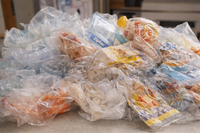
Soft plastic packaging surrounds almost every product we buy — bags, wrappers, film, shipping packaging. But when we throw it away, the story doesn't end. Most soft plastics are not accepted in curbside recycling, so they break apart into invisible microplastics that move into air, soil, water — and even into the human body.
more microplastics in agricultural soils than in oceans — a largely invisible crisis
microplastics have been found in human blood, brain, lungs, placenta, and testicles
chemical additives may be present in plastics found in soil — most of them unregulated
reduction in soft plastic volume possible with compaction — slowing fragmentation before recycling
How Soft Plastics Turn Into Microplastics
Soft plastics break down due to a combination of UV radiation, abrasion, and weathering. These processes cause the polymer chains in plastics to degrade into smaller and smaller particles.
UV Radiation
Sunlight — particularly ultraviolet radiation — can break down the chemical bonds within plastic, causing it to become brittle and crack. This process, known as photodegradation, discolors plastic and reduces its mechanical strength.
Interestingly, scientists from the UK and the University of Cape Town found that plastics of the same composition degrade at different rates depending on their color. Black, white, and silver colorants protect plastic from UV damage — other pigments do not.
Abrasion
Physical forces like wave action, wind, foot traffic, and contact with rough surfaces wear plastic down and break it into smaller pieces. This is especially evident in marine environments.
Weathering
Weathering combines UV radiation, temperature fluctuations, and environmental factors. It accelerates degradation and makes plastics more susceptible to fragmentation over time.
When stored as a dense block, soft plastics are less exposed to sunlight and physical abrasion — slowing early fragmentation and buying more time before recycling.
Why This Matters: The Impact on Air, Soil, and Human Health
Air pollution
Nearly a dozen studies have documented airborne microplastic concentrations worldwide — meaning we breathe microplastics every day. Airborne microplastics include fibers, films, fragments, foam, granules, and spheres. Soft plastic particles may even influence cloud formation, contributing to climate change.
Marine system pollution
Microplastics enter oceans from wastewater, weathering, fragmentation, and fishing. They act as vectors for pollutants by adsorbing or releasing contaminants, which then harm marine organisms through inflammation, oxidative stress, endocrine disruption, and reproductive decline.
Soil pollution
Agricultural soils now hold 23 times more microplastics than oceans. Plastics in soil may contain up to 10,000 chemical additives — often unregulated — affecting soil health, plants, microbiota, and eventually human health.
Health risks
Microplastics have been found in human blood, brain, lungs, placenta, and more according to recent studies. They can trigger inflammation, oxidative stress, immune disruption, and cardiovascular risks.
Microplastics were recently found in human testicles, potentially linked to declining sperm counts. Endocrine-disrupting chemicals in plastics — phthalates, BPA/BPS, and PFAS — are associated with hormone disruption and reproductive harm.
Because soft plastics degrade faster into smaller particles, reducing their exposure and fragmentation at home is one of the most immediate actions available today. Compacting soft plastics into secure blocks and sending them for proper recycling reduces the particles entering ecosystems — and human bodies.
What You Can Do to Reduce Microplastic Formation
You can't eliminate soft plastic overnight. But you can reduce the volume of microplastics created from the packaging you use.
Collect soft plastics separately
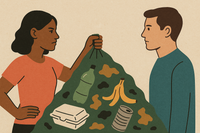
Don't toss soft plastics into general trash. Once mixed and compacted with other waste, they often end up in landfills or incineration — and eventually become microplastic pollution.
Educate your circle
Share facts, not fear. Encourage separate collection at home or at your workplace.
Avoid soft plastic when you can
Refill, reuse, or choose rigid or paper packaging — these materials are more recyclable and less likely to fragment.
Don't burn or shred it
Burning releases toxins. Shredding accelerates microplastic formation.
Use a compaction system
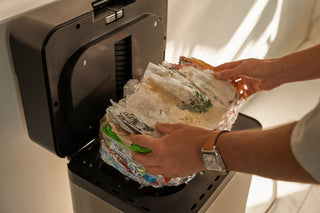
Compacting soft plastics reduces surface exposure and prevents early fragmentation. Clear Drop's Soft Plastic Compactor provides a full-cycle solution with real downstream recycling through certified partner facilities.
As awareness grows, so does the ability to act. The journey from soft plastics to microplastics begins with everyday choices — and in those moments, prevention is possible.
Make soft plastic disposal safer for the planet
The Clear Drop® Soft Plastic Compactor turns bulky packaging into dense blocks — reducing surface exposure, slowing fragmentation, and making proper recycling easier.
Learn more about the Soft Plastic Compactor →