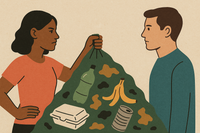
Soft plastics like grocery bags, bubble wrap, and packaging film make up a growing share of U.S. household waste — yet most of them are not recyclable curbside. This guide explains why, and what practical home solutions can help reduce volume and improve recycling outcomes.
of plastics generated in the U.S. end up in a landfill or incinerated for energy
increase in per capita plastic waste generation since 1980 — while recycling rates decline
recycling rate for soft plastics — still not consistently calculated or reported
of consumers are uncertain about how and what to recycle, leading to improper disposal
What Is Soft Plastic?
The name speaks for itself — soft plastic is simply soft. An easy way to identify it: scrunch it up and see that it doesn't bounce back fully. It's any lightweight package or part of a package whose shape can be readily changed.
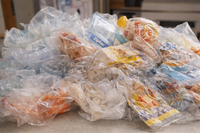
This includes grocery bags, zip-lock bags, cling film, stretch wrap, shipping packaging, freezer bags, dry-cleaning bags, food wrappers, pouches, and liners.
Key Challenges of Soft Plastic Recycling
1. Contamination of recycling streams
Plastic film is thin, stretchy, and clingy — which makes it useful for packaging but difficult to recycle without specialized equipment. When mixed with other recyclables, it tangles mechanisms and jams machines at recycling facilities. This causes operational disruptions, increased maintenance costs, and risks for workers who clear the equipment.
2. Lack of recycling facilities
Out of approximately 500 Material Recovery Facilities (MRFs) in the U.S., only 20–30% can handle soft plastic waste. Their limited capacity means the majority of soft plastics are not processed and end up in landfills.
3. Multi-layered plastic materials
Some soft plastic packaging — like aluminum-lined snack wrappers and food pouches — is made from layers of different materials that provide stiffness, oxygen barriers, UV protection, and sealability. Separating these layers is technologically challenging and economically unfeasible due to high treatment costs.
4. Consumer confusion
Recycling programs vary significantly by location, leaving consumers unsure what's accepted. A survey found that 60% of people are uncertain about how and what to recycle — resulting in improper disposal of soft plastic waste and contaminated curbside bins.
The Environmental Risks of Soft Plastic Waste
Landfill overflow

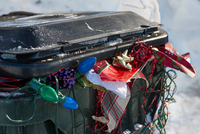
Plastic takes up to 1,000 years to decompose in landfills. During degradation, plastic waste can leach potentially toxic substances into soil and groundwater, creating long-term environmental and health risks.
Microplastics
As soft plastic degrades, it fragments into microplastics — tiny particles less than 5mm in size. These have been detected in deep-sea sediments, remote areas, and human organs including the placenta. Microplastics adsorb and transport harmful pollutants, entering food chains and posing risks to both wildlife and human health.
Ocean pollution

Beyond microplastics, soft plastic waste directly harms marine animals. Sea turtles, seabirds, and marine mammals often mistake plastic waste for food, causing internal injuries, intestinal blockages, starvation, and death.
Solutions: How to Improve Soft Plastic Recycling
Emerging innovations are expanding what's possible at an industrial scale — chemical recycling technologies like pyrolysis break plastic into raw materials using high heat, and AI-powered robotics are improving sorting systems. But meaningful change also starts at home.

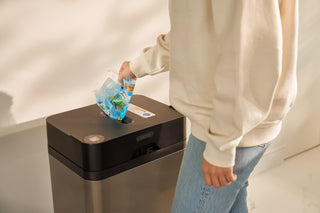
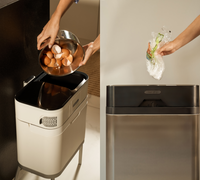
Clear Drop® Soft Plastic Compactor (SPC) is the first home and business appliance designed to simplify soft plastic collection and ensure it all goes to recycling. It transforms bulky plastic packaging into a space-saving 12×8×4-inch block. Clear Drop sends free mailing envelopes with pre-paid labels to ship compacted blocks directly to the recycling facility — guaranteeing that no soft plastic is left out of the recycling chain.
How to Recycle Soft Plastics at Home
- Collect soft plastics separately from bottles and other hard plastics.
- Clean and dry them to remove food residue.
- Compact soft plastics using a home soft plastic compactor to reduce storage volume by up to 90%.
- Store compacted plastics in a bin or box until recycling.
- Take them to local retailer drop-off programs (Target, Walmart, Kroger, Whole Foods) or use a mail-in recycling service.
Clear Drop SPC lets you send compacted soft plastics directly to the recycling facility — no need to find a drop-off point.
Your Role as a Consumer
Reduce consumption — buy from local markets with reusable bags, choose refillable products where possible. Separate correctly — keep soft plastics out of your curbside bin to prevent contamination. Use drop-off or mail-in programs — retailers like Target, Walmart, and Whole Foods accept plastic bags and certain films. The How2Recycle Store Drop-Off label guides you on which plastics qualify.
As consumers, we can play a pivotal role in reducing plastic waste by rethinking consumption habits, organizing home waste management, and correctly disposing of soft plastics through specialized recycling programs.
Compact, store, and recycle from home
Clear Drop® Soft Plastic Compactor turns bulky packaging into compact 12×8×4-inch blocks, ready for recycling — with free pre-paid mailing included.
Learn more about the Soft Plastic Compactor →