ZeroTrash® Revolution Blog Blog
Explore articles on recycling, waste management and sustainable habits by category
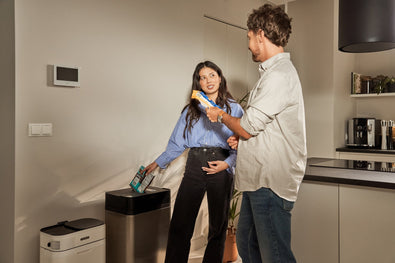

Why CES 2026 Shifted the Conversation Around Ho...
CES has always been a place for bold ideas and ambitious visions. But this year, we noticed a subtle yet important change in how household waste was discussed. The conversations...
Why CES 2026 Shifted the Conversation Around Household Waste
CES has always been a place for bold ideas and ambitious visions. But this year, we noticed a subtle yet important change in how household waste was discussed. The conversations were no longer centered on experimental prototypes or distant sustainability promises. Instead, they focused on complete, workable systems that could realistically fit into daily life. The questions were practical and specific: How does this work at home? What happens next? Where does the material actually go? We at Clear Drop experienced this shift directly through in-depth discussions at our booth and across meetings. People were both curious and analytical. They wanted to understand the full path, from a decision made in the kitchen to a verified recycling or composting outcome. To us, it felt like the beginnings of a quiet yet powerful turning point, where household waste management stops being treated as an abstract challenge and starts actually being addressed with integrated, solvable systems. Recognition at CES 2026: Why It Matters At CES 2026, Clear Drop received two notable recognitions: Best of CES 2026 — Sustainability Best in Show 2026 — The Kitch These acknowledgments reflect growing industry recognition that soft plastic waste is a serious, unresolved challenge, and that addressing it requires complete systems rather than isolated efforts. This recognition helps shift the attention toward practical, household-level solutions that can scale. Media Interest and Industry Conversations Coverage from outlets including CNET, Engadget, Lifehacker, Mashable, Morning Brew, Plastics News, Waste360, housedigest, the kitchn and others focused less on novelty and innovation and more on feasibility and reliability. Conversations centered on real-world implementation, scalability, costs, verification, and ensuring that materials don’t end up in landfills. What the Market Is Finally Ready To Acknowledge Soft plastic waste has long existed in a gray zone of recycling. Grocery bags, wrappers, films, and flexible packaging often fall outside curbside programs, clog sorting equipment, or get rejected entirely. While collection efforts exist on paper, end-to-end processing rarely follows through in practice. This gap is often framed as a user problem: People are confused or choose to simply not participate Now, however, more people are recognizing that this issue is structural, not behavioral. Consumer fatigue with vague green messaging has accelerated this realization. People are increasingly skeptical of initiatives that rely on perfect sorting behavior or municipal overhauls that may never come. The market is now ready for solutions that close the loop — systems that work within real household constraints and deliver reliable outcomes without requiring constant effort or guesswork. From Promises to Systems: What Resonated Most at CES It wasn’t any single piece of technology that stood out most at CES 2026, but the interest in systems that removed uncertainty. People gravitated toward solutions that provided clarity across the entire мwaste management process, from identifying what to throw out where, how to sort it all at home, and how to ensure that materials would be processed and recycled as intended. This end-to-end logic directly addresses what many experience as “guessing fatigue” — the frustration of never being quite sure whether something is recyclable, compostable, or destined for the landfill. When the flow is transparent and verifiable, people start to feel like their efforts are no longer just aspirational, but actually making a difference. The best part is, when the system is simplified and streamlined, those efforts don’t require any extra work. A Complete Household Waste System in Practice Clear Drop’s system is designed around how people actually interact with waste at home. It consists of three interconnected components that work together to simplify decisions, reduce friction, and enable real recycling and composting outcomes. ZeroTrash® AI: Offering clarity at the first decision point Sorting decisions usually happen in seconds, often under uncertainty. ZeroTrash® AI helps users identify the material they’re discarding and how it should be handled. You simply scan the packaging to learn how to dispose of it properly. With ZeroTrash® AI, you can remove ambiguity, reduce mental load, and prevent errors before they happen. Soft Plastic Compactor (SPC): Making recycling physically possible Soft plastics are lightweight but voluminous, making them difficult to store and transport. The Soft Plastic Compactor (SPC) addresses this obstacle by compressing bags, wrappers, and films into dense, uniform bricks using controlled heat and pressure. A month’s worth of household soft plastic waste can be reduced to a compact block about the size of a shoebox. This process dramatically reduces volume, eliminates mess and odors, and prepares materials in a form that verified recycling partners can actually process. The SPC is designed for everyday household use and is already being adopted by small businesses that are turning an unmanageable waste stream into a stable, shippable resource. Organics Collector (OC): Separating food waste cleanly Food waste presents its own challenges, including odors, pests, and hygiene concerns. The Organics Collector (OC) enables clean, consistent separation of food scraps, keeping organics out of the general trash stream. By controlling smells and leaks, it removes one of the biggest psychological barriers to daily composting and supports cleaner downstream processing. Together, these components form a user-centered loop that involves clear identification and effective preparation to achieve verifiable results. CES in Context: A Broader Industry Shift Several CES sessions reinforced this direction. In discussions led by Corie Barry (CEO of Best Buy) and Michael Kassan (CEO of 3C Ventures), a clear theme emerged: Modern systems are no longer about transactions or channels, but long-term relationships built on trust. In this model, technology works best when it fades into the background, quietly enabling confidence, consistency, and ease. This philosophy closely aligns with Clear Drop’s approach to waste. We believe in building infrastructure that supports daily habits without demanding constant attention or heroic effort. What This Signals for the Future of Circular Living Circular living shouldn’t solely rely on individual discipline. As CES 2026 made clear, the future lies in systems that handle complexity behind the scenes, reduce decision fatigue, and support people where they already are. When tools are designed around real behavior and frustrations — such as time constraints, uncertainty, and limited attention — sustainable habits become repeatable rather than exceptional. Real change comes with consistency. Moving Forward Without the Hype CES 2026 marked a meaningful milestone for us at Clear Drop, but it’s hardly an endpoint. The work ahead — learning from our users, refining our products, and scaling what already works — will be subtler but just as meaningful. Clear Drop will continue to focus on workable systems that actually follow through on their promises. The conversation around household waste is evolving — and so are the tools that support it. Now we keep going. Thank you for being a part of our journey.

How to Compost in an Apartment (Without Annoyin...
Many people still believe composting requires a yard. In reality, modern indoor composting works even in a 400 sq ft studio — clean, fast, and odor-free when managed correctly. Start...
How to Compost in an Apartment (Without Annoying Your Neighbors or Your Landlord)
Many people still believe composting requires a yard. In reality, modern indoor composting works even in a 400 sq ft studio — clean, fast, and odor-free when managed correctly. Start with clean collection — before composting begins The Clear Drop Organics Collector keeps food waste odor-free and organized from the first moment — built for apartments and compact kitchens. See the Organics Collector → 1/3 of U.S. household waste is organic and could be composted instead of decomposing in landfills 400 ft² is enough space for effective indoor composting — no yard, no outdoor bins required 24–48h is all it takes with an electric composter to turn food scraps into usable output 3 proven indoor composting methods that actually work for apartment renters in 2025 Source: U.S. EPA — Composting at Home Below are the three indoor composting methods urban renters actually use in 2025, and how to choose the one that fits your space, routine, and maintenance tolerance. The 3 Real Ways to Compost Indoors in 2025 Method How it works Time to output Smell level Space needed Best for Vermicomposting Red worms break down food scraps biologically 2–4 months Very low (if balanced) Small bin under sink Hands-on, low-tech users Electric Composter Heat + grinding accelerate decomposition 24–48 hours Odorless with carbon filter Countertop appliance Fast, low-effort composting Bokashi Anaerobic fermentation using inoculated bran ~2 weeks + curing Mild pickle smell when opened 5-gallon bucket footprint All-food composting without worms References: Cornell University Vermicomposting · Oregon State Extension Bokashi Guide · Electric composting research (ScienceDirect) Pros and Cons (Real-World Usability) Method Advantages Limitations Typical cost Vermicomposting Low cost, rich worm castings, no electricity Slower process, requires worm care $40–150 Electric Composter Fastest option, low odor, handles cooked food Higher upfront price, uses electricity $299–549 Bokashi Accepts meat, dairy, citrus; compact footprint Requires soil or finishing bin $60–120 Every method works. The best system is the one you will actually maintain. What Works Best in Small Apartments (2024–2025 User Reports) Best for beginners: Electric Composter Almost no maintenance Reduces waste volume by ~70–90% No fruit flies or odor with carbon filtration Fits easily in compact kitchens Best budget option with high-quality soil: Worm Bin Very low operating cost Produces castings and compost tea for plants Best for full-diet waste (meat & dairy): Bokashi Handles all food types Compact and pest-resistant Requires a finishing step in soil Small-Space Composting Tips Freeze food scraps to eliminate odor and pests Add cardboard, coco coir, or biochar for moisture balance Use a 2–4 liter freezer bin for daily convenience Balcony planters work well for finishing Bokashi Electric composters are the cleanest entry point Already composting — but still generating organic waste? Composting handles food scraps, but what about the food waste collected before it reaches your bin? The Clear Drop Organics Collector (OC) is designed for exactly that: odor-free, structured collection of organic waste at home — so nothing ends up in the trash by default. It's the missing first step before composting kicks in. Composting by State: Local Programs for Apartment Renters Indoor composting methods work anywhere. But depending on where you live, you may also have access to a municipal drop-off or curbside organics program. Here is what renters can use in the most active states. California California has mandatory organics collection under SB 1383. Since January 2022, all residents — including apartment renters — are required by law to separate food scraps from trash. Building management must provide organics collection service. If your building does not have a green bin program, you can file an anonymous complaint via CalRecycle. What this means for renters California is the most advanced state for apartment composting. Green bins accept all food scraps, food-soiled paper, and yard trimmings. If your landlord has not set up a program, they are out of compliance and you have legal recourse. What's accepted: All food scraps including meat, dairy, and bones; food-soiled paper; yard trimmings Who's responsible: Your property manager is legally required to provide containers and tenant education No program in your building: Self-hauling to a local composting facility is also allowed under the law Find your local program: CalRecycle Organics Collection New York City Curbside composting became mandatory citywide in October 2024 under Local Law 85 of 2023. All NYC residential buildings must participate, and DSNY collects organics weekly on each building's recycling day. Enforcement with fines is active for larger buildings. What this means for renters Buildings with 4 or more units must provide a designated storage area with labeled compost bins. Fines go to building owners, not tenants. Pickup accepts everything including meat, bones, dairy, and food-soiled paper. Smart Composting Bin drop-off kiosks are also available across all five boroughs. What's accepted: All food scraps, food-soiled paper, leaf and yard waste Pickup day: Same as your recycling day, every week Drop-off option: Smart Composting Bins are located throughout the city — find the nearest one at nyc.gov/dsny No bin in your building: Buildings with 4 or more units are legally required to provide one — contact your landlord or file a complaint with 311 New Jersey New Jersey does not have a statewide composting mandate, but several cities and counties run active drop-off and pickup programs, particularly in the northern part of the state. Coverage from private services is strong across Bergen, Morris, Essex, Union, and Hudson counties. Options for NJ renters Hoboken offers free drop-off at 4 locations after a short online registration. Jersey City runs a municipal drop-off program citywide. Princeton expanded to 10 drop-off stations. Private curbside pickup services cover most of the state for residents who want a door-side option. Hoboken: Free drop-off at 4 city sites after online registration — hobokennj.gov/resources/compost Jersey City: Municipal drop-off program — jerseycitynj.gov Bergen County: Neighborhood Compost — curbside pickup for apartments — neighborhoodcompost.com Morris, Essex, Union counties: Java's Compost — drop-off network and curbside pickup — javascompost.com Florida Florida has no statewide composting law, but a growing network of private services and city programs covers renters across the state. Orlando runs city-managed drop-off stations and offers free compost bins for residents. O-Town Compost expanded in 2025 to serve Orlando, Tampa, St. Petersburg, Gainesville, and surrounding areas. Options for FL renters The most practical option for most Florida apartment renters is a private pickup subscription or a community drop-off point. In areas without local service, indoor composting with a worm bin or bokashi bucket is the most reliable approach. Orlando: City-run drop-off locations plus free backyard compost bins for residents — check orlando.gov for current sites Central FL, Tampa, St. Pete: O-Town Compost — residential and multi-family pickup — o-towncompost.com Southwest FL: Naples Compost — residential curbside pickup in the Naples and Fort Myers area No service nearby: A worm bin or bokashi system is the most practical indoor option in areas without local programs Georgia Georgia has no statewide mandate, but Atlanta has an active drop-off program through CompostNow funded by a USDA grant, and Athens-Clarke County runs a well-established food scraps program with five 24/7 drop-off locations. Private curbside pickup is available across metro Atlanta. Options for GA renters Atlanta renters can sign up for the free city drop-off program through CompostNow and receive drop-off location details by email. The Athens program accepts food scraps around the clock at multiple sites including UGA campus locations. Atlanta: Free CompostNow drop-off program (USDA-funded, city partnership) — compostnow.org/atlanta Athens: 24/7 food scraps drop-off at 5 sites including CHaRM and UGA campuses — accgov.com Metro Atlanta curbside: CompostNow residential pickup service — compostnow.org Other Georgia counties: The University of Georgia Extension offers composting resources and Master Composter classes statewide Keep organic waste out of your trash — before it reaches the compost bin The Clear Drop Organics Collector makes daily food waste separation clean, odor-free, and effortless — designed for apartments and compact kitchens. See the Organics Collector →

Post-Holiday Waste Reset: Starting 2026 With a ...
The holidays may bring plenty of celebration — but they can also leave a big mess, between a cluttered kitchen, overflowing trash bins, and a lingering sense of waste overload....
Post-Holiday Waste Reset: Starting 2026 With a Clean, ZeroTrash® Kitchen
The holidays may bring plenty of celebration — but they can also leave a big mess, between a cluttered kitchen, overflowing trash bins, and a lingering sense of waste overload. January is not just the start of a new year. It’s a moment of reset. This article is designed to help you regain control of your kitchen in 2026. We invite you to kick-start your year with a practical, sustainable new clean-up routine using Clear Drop’s ZeroTrash® AI, Soft Plastic Compactor (SPC), and Organics Collector (OC). Why Post-Holiday Waste Feels Overwhelming During the holidays, our normal routines are often disrupted: More meals are cooked at home. More food is stored and discarded. More packaging enters the house through gifts and deliveries. Less attention is paid to sorting and cleanup. When everything returns to “normal,” the accumulated waste starts to become visible all at once. You may feel a sense of frustration or guilt, or just want to avoid it all together. A reset works best when it focuses on systems, not willpower. The Holiday Waste Surge: Facts and Figures Multiple municipal and environmental studies show that household waste increases significantly during the holiday period. In many regions, waste volumes rise by up to 25% between late November and early January. The main contributors include: Gift packaging and wrapping materials Plastic films and protective packaging from online orders Food scraps and expired leftovers Disposable party and serving items This surge in waste isn’t a failure of individual responsibility — it’s a predictable seasonal pattern. The key is how households respond after the holidays. Common Post-Holiday Recycling Challenges Once the celebrations are over, households often face the same challenges: Mixed piles of packaging with unclear recycling rules Soft plastics stuffed loosely into trash bags Leftover food that no one wants to eat but doesn’t feel “right” to throw away Bins that are full before the next pickup Without clear guidance, many people default to the fastest option: throwing everything away. This is exactly where better tools — not stricter rules — make the biggest difference. How ZeroTrash® AI Simplifies Sorting of Leftover Packaging Post-holiday cleanup involves a wide variety of unfamiliar packaging, including: decorative wraps, plastic films, protective layers from gifts, and specialty food packaging. ZeroTrash® AI helps you figure out how to sort all of it. You can scan each item to get immediate clarity on whether something qualifies as soft plastic and how it should be treated. Instead of guessing or memorizing rules, you can rely on consistent, real-time guidance, reducing decision stress and sorting fatigue. Managing Soft Plastics From Gifts and Wrapping With the SPC Soft plastics are one of the biggest sources of post-holiday waste. They are light, flexible, and take up far more space than expected. With the Soft Plastic Compactor (SPC), you can: Compress wrapping films and plastic liners Reduce trash bin volume Keep materials clean and contained Avoid overflow during the busiest cleanup period Using the SPC alone can instantly make your kitchen feel visibly calmer and more organized. Handling Food Scraps and Leftovers With the Organics Collector (OC) Food waste peaks after the holidays. Leftovers expire, party ingredients go unused, and storage containers fill quickly. With he Organics Collector (OC), you can: Separate food scraps immediately Prevent odors and pests Reduce reliance on trash bins for organic waste Keep the kitchen hygienic Stop throwing all your food waste in the trash and start dealing with it cleanly and consistently. Step-by-Step Kitchen Reset Guide for 2026 A post-holiday reset doesn’t need to take up so much of your time and energy. Just follow this simple, structured approach: Clear all visible waste from counters and storage areas. Scan unfamiliar packaging with ZeroTrash® AI. Separate soft plastics and compact them using the SPC. Dispose of food scraps daily using the OC. Most households complete this process in one afternoon, and notice immediate improvements in space and cleanliness. Turning Cleanup into Sustainable Habits The real value of a reset isn’t the cleanup itself — it’s what happens afterward. By keeping ZeroTrash® AI accessible and using the SPC and OC as part of your daily routine, waste sorting becomes faster, easier, less emotional, and more automatic. Instead of always depending on your motivation, you can rely on a tried-and-true system. That’s what helps turn a New Year’s intention into a lasting habit. Before-and-After: Real Results from ZeroTrash Users Households that adopt a structured post-holiday reset commonly report: Less trash overflow Fewer unpleasant odors Cleaner recycling streams Lower stress around waste sorting The kitchen doesn’t just look better — it functions better. Get a Clean Start Without the Pressure A new year doesn’t require perfection, just a little clarity and cleanliness. By keeping waste decisions simple and consistent — with tools like ZeroTrash® AI and Clear Drop’s SPC and OC — you can regain control of your kitchen and build solid routines that fit seamlessly into your everyday life.

Holiday Composting Guide 2025: How to Reduce Wa...
The holidays bring plenty of food, cheer, and …. waste? With all those extra food scraps, packaging, and single-use holiday supplies, household waste increases by roughly 25% between Thanksgiving and...
Holiday Composting Guide 2025: How to Reduce Waste at Christmas & New Year Events
The holidays bring plenty of food, cheer, and …. waste? With all those extra food scraps, packaging, and single-use holiday supplies, household waste increases by roughly 25% between Thanksgiving and New Year’s, per an estimate by the U.S. Environmental Protection Agency (EPA). One of the most effective ways to reduce this seasonal spike in waste? Composting. With a little preparation, you can make composting easy this holiday season, whether you’re organizing a small home gathering, office celebration, or large community event. This guide summarizes what can (and can’t) be composted during holiday meals, how to set up event waste stations that actually work, and the practical tools that households can use to manage organics without the mess or the stink. Key Takeaways Food waste increases by 25%–40% during the holiday season. Most holiday food scraps can be composted with the right method and clear sorting rules. Certified compostables are accepted at commercial facilities — but not always at home. Clear signage dramatically reduces contamination in compost bins. Indoor-friendly organics collector appliances can help families and offices cleanly and efficiently manage food scraps during busy events. Why Holiday Food Waste Spikes — and Why Composting Matters The holidays are often associated with abundance — for better or worse. In November and December, there’s a pronounced increase in over-purchasing, buffet-style serving, and leftover-heavy cooking. This all leads to a lot of extra waste — and most of it goes straight to the trash can, then the landfill. The problem is, when organic waste goes to landfills, it decomposes anaerobically and produces methane, a greenhouse gas that is at least 28 times more potent than CO₂ over a 100-year period.To help reduce your footprint, use the peak waste periods of the holidays to introduce easy composting habits that can persist beyond the season. What You Can (and Can’t) Compost During Holiday Meals Take note of the following lists to guide you through proper composting this holiday season (and beyond): Food Scraps & Decorative Organics You Can Compost at Home Fruit and vegetable peels and scraps (pumpkin pieces, citrus peels, apple cores, etc.) Dried fruits Cinnamon sticks Bread and grains Herbs Rice and pasta Coffee grounds and tea leaves Cookie crumbs Pinecones Natural wreaths (no wire) Kraft paper wrap Items That Require Commercial Composting BPI-certified compostable plates/cups “Compostable” bioplastic utensils Some dairy- and oil-heavy foods Waste Not Compostable at Home Turkey bones and meat scraps (acceptable with the Organics Collector) Glossy paper plates Foil, chip bags Glitter decor Metallic wrapping Plastic ornaments Synthetic ribbons Holiday Composting Reference Table (2025) Item Home Compost Organics Collector / Bokashi Commercial Compost Trash Fruit and veggie peels, scraps Yes Yes Yes No Turkey bones No Yes Sometimes Yes Cheese, gravy No Yes Sometimes Yes Stuffing, casseroles Risky Yes Yes No Uncoated paper plates Yes Yes Yes No Certified compostable cups No No Yes No Foil, plastic wrap No No No Yes Glitter decor No No No Yes Tools That Make Holiday Composting Easier Traditional home compost systems can be difficult to maintain during holiday events because they often get overloaded, attracting odors and potentially pests. Many are located outdoors, making it less convenient to throw away scraps. And most do not accept big food items like meat or dairy. For these reasons, households and offices are opting to use indoor organics collection systems to manage high-volume holiday scraps cleanly and without odor. Organics Collector Appliance Kitchen appliances, such as Clear Drop’s Organics Collector, are designed for odor-free indoor storage of mixed food scraps. They are especially useful during holiday gatherings because they: Suppress smells, even when holding meat, bones, and other rich foods Prevent fruit flies and pests Allow guests to easily sort waste Reduce contamination in compost bins Keep kitchens organized during peak cooking days Using this type of device does not replace composting, though. Instead, it simplifies the first (and often messiest) step — collecting holiday scraps and organics before they are taken outdoors or to a drop-off site. How to Set Up a Holiday Compost Station for the Home, Office, or Events Not sure where to start? Follow the below steps to keep the party going and the waste at bay. 1. Choose the Right Collection System Figure out which type of composting system will work best for you. Choose from options such as: Countertop caddies Outdoor compost bins Municipal green bins (where available) Bokashi systems Organics collector appliances for clean indoor storage Large event composting totes 2. Place Bins in Strategic Positions Think about the natural flow between dishing up, eating, and disposing. Some good locations to place trash and organic waste bins include: Near the buffet or food stations Next to the kitchen island By drink tables Along high-traffic areas 3. Add Clear “YES / NO” Signage Offer clear printed instructions as to what waste goes where. For example YES — food scraps, napkins, paper plates NO — plastic, foil, glitter, coated paper Better yet, include visuals of examples and recruit a volunteer “green lead” to manage waste areas. How to Reduce Food Waste Before & After Your Holiday Event Before the party even starts, plan ahead to avoid too much extra food and waste. Consider the number of guests and: Plan realistic portions Use smaller plates Prepare low-waste recipes Encourage reusable containers for leftovers Freeze portions ahead of time Dealing With Leftovers After the Event You can’t always calculate your food needs exactly, but you can donate, repurpose, freeze, or compost any extras after the event. Donate: The Bill Emerson Good Samaritan Food Donation Act protects good-faith food donations. Most communities offer at least a few places where you can donate food. Repurpose: Be creative and use any leftover food or ingredients to make new dishes like soups, casseroles, grain bowls, or frittatas. Freeze: Bigger items such as meat, roasted vegetables, baked goods, stuffings, and breads freeze well and can come in handy for later. Compost: Of what remains, make sure to compost it either at home or through a community program. Sustainable Holidays Start With Small Changes Small, repeated behaviors during the holidays and other peak waste seasons can help build long-term waste-reduction routines. As cities continue to expand food-waste programs, households across the country are adopting composting habits and taking advantage of indoor-friendly compost solutions like Clear Drop’s Organics Collector. Whether you host a small dinner or a large office celebration, a well-planned compost system, supported by clear signage and simple indoor tools, can dramatically reduce your holiday waste footprint.

How Much Food Americans Waste and What You Can Do
Key Takeaways Americans waste 30%-40% of their total food supply each year (USDA, 2024). In 2019, the U.S. generated 66 million tons of wasted food, with more than half ending...
How Much Food Americans Waste and What You Can Do
Key Takeaways Americans waste 30%-40% of their total food supply each year (USDA, 2024). In 2019, the U.S. generated 66 million tons of wasted food, with more than half ending up in landfills (EPA, 2023). The average household loses ≈ $1,500 per year on food that is never eaten (NRDC, 2022). Food waste produces methane, a greenhouse gas that is 28x more potent than CO₂ (EPA, 2024). ClearDrop's Soft Plastic Compactor (SPC) and Organics Collector (OC) help reduce food waste and food-related soft plastics — one household at a time. Millions of tons of perfectly edible food are thrown away in the United States every year. Add to that all the water, land, fertilizer, energy, and packaging required to produce it. When wasted food ends up in landfills, it decomposes and releases methane, a potent greenhouse gas. The good news is that small, consistent changes at home can make a meaningful impact. Every household can reduce its environmental footprint with helpful tools, such as Clear Drop's Soft Plastic Compactor (SPC) for responsible soft plastic recycling, and the Organics Collector (OC) for clean food-scrap collection. 30%–40% of the total U.S. food supply is wasted each year. 66M tons of wasted food were generated in the U.S. in 2019. $1,500 is the average annual value of food wasted by one household. 28x more potent than CO₂ is methane released from food waste in landfills. The scale of food waste in America According to the U.S. Department of Agriculture (USDA), Americans waste up to 40% of their total food supply annually (USDA, 2024). U.S. households and retailers generated 66 million tons of food waste. 35 million tons of food waste were landfilled. Food became the largest single category of landfill material (EPA, 2023). What Americans waste most Tempted by bulk deals and discounted offers, Americans often overbuy at the grocery store, which leads to rotting produce and expired foods, including: Fruits and vegetables Dairy Baked goods Leftovers Prepared meals Remember that nearly all of these products come packaged in soft plastics, such as produce bags, bread bags, cereal liners, frozen-food bags, snack wrappers, and cling film. To save on waste, these materials can be compacted and recycled using the Clear Drop SPC. Environmental impact When food ends up in landfills, it decomposes and generates methane, a gas that is 28x more potent than CO₂ (EPA, 2024). Wasted food also wastes: 21% of all U.S. freshwater used in agriculture (WWF, 2023) 18% of U.S. cropland (Feeding America, 2023) Billions of units of packaging materials Significant transport and refrigeration energy Why this matters Food waste is not just about uneaten groceries. It also means wasted water, wasted land, wasted energy, and extra packaging that often ends up discarded with the food itself. There are two easy ways you can lower your food waste footprint: Clear Drop's OC allows you to cleanly collect food scraps so they don't end up in landfills. Clear Drop's SPC allows you to effectively recycle soft-plastic packaging to be repurposed instead of tossed out. Common reasons food gets wasted at home A lack of planning and preparation often leads to extra food and packaging waste. Cause Practical solution Overbuying and poor planning Create weekly meal plans and shop with a list. Expiration date confusion Understand “best by,” “use by,” and “sell by” labels (EPA Food Labeling Education). Improper storage Use airtight containers and humidity-controlled fridge drawers to keep food fresher longer. Forgotten leftovers Store leftovers in clear containers and rotate regularly. Packaging accumulation Rinse, dry, and compact food-related soft plastics using the SPC. Why reducing food waste matters Reducing food waste has wide-reaching benefits. Lowers emissions Less food in landfills means less methane released and a measurable climate benefit. Decreases packaging waste When you toss out food, you're also tossing out its packaging, such as: Produce bags Bread bags Shrink wrap Snack wrappers Frozen-food bags Cling film When you have an SPC, you can reduce this extra waste by easily compacting and recycling it. Supports sustainable living Clear Drop's mission is to help households reduce waste in all forms, starting with food scraps and soft plastics. Read more about our mission and products in our educational guides. Simple ways to reduce food waste Build meal plans and shopping listsPrevent overbuying before it starts. Store food properlyUse the right containers and fridge zones to extend freshness. Learn date-label meaningsDo not throw food away too early because of label confusion. Freeze leftoversSave food before it spoils. Reuse vegetable scrapsOr collect them for further composting via the Organics Collector. Keep products visibleUse clear labeling in your fridge and cabinets. Recycle soft-plastic food packagingUse the SPC for bread bags, snack wrappers, produce bags, and more. How Clear Drop supports sustainable living Clear Drop provides practical tools for reducing household waste, including: Soft Plastic Compactor (SPC) With the SPC, bread bags, produce bags, snack wrappers, cling film, cereal liners, and frozen-food bags can be properly compacted for recycling. Organics Collector (OC) With the OC, collect your food scraps without the fuss, mess, or smells. Clear Drop Blog With the Clear Drop Blog, learn more about reducing food and plastic waste and building a cleaner, more sustainable lifestyle. Be a leader in better waste management Reduce food waste, recycle smarter, and build a sustainable home with Clear Drop's: Soft Plastic Compactor (SPC) to reduce soft-plastic waste Organics Collector (OC) to compost cleanly and effectively Educational Blog to learn more about how to live a ZeroTrash lifestyle Explore the full Clear Drop system From food-scrap collection to soft-plastic recycling, Clear Drop helps households reduce waste with practical tools and education. Visit Clear Drop