ZeroTrash® Revolution Blog Blog
Explore articles on recycling, waste management and sustainable habits by category

How ZeroTrash® AI Helps You Identify Soft Plast...
ZeroTrash® AI is designed to take the guesswork out of everyday waste decisions. Using a camera-based interface, the app analyzes packaging to help you determine whether an item is a...
How ZeroTrash® AI Helps You Identify Soft Plastics Correctly
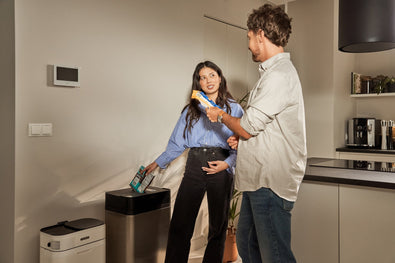
ZeroTrash® AI is designed to take the guesswork out of everyday waste decisions. Using a camera-based interface, the app analyzes packaging to help you determine whether an item is a soft plastic, fits accepted resin types, and is suitable for soft plastic compaction. Instead of relying on symbols or vague recycling rules, you can quickly figure out what an item is and how to properly discard it. Receiving this type of immediate, item-specific feedback can significantly improve trash sorting and reduce contamination in the recycling process. How much soft plastic do we end up throwing away by mistake? Probably much more than you think. Keep reading to learn how to properly sort your plastics and keep them out of landfills. 15 Common Soft Plastics People Throw Away by Mistake Below are some of the most commonly mis-sorted soft plastic items found in household waste streams. 1. Chip Bags and Snack Wrappers Often assumed to be unrecyclable due to their shiny appearance, many snack wrappers contain layers of soft plastic that can be compacted when accepted by downstream processors. 2. Cheese and Deli Packaging Flexible cheese sleeves and deli wrap films are frequently discarded, even though they belong in the soft plastic category once emptied and cleaned. 3. Frozen Food Bags Frozen vegetable and fruit bags are a major source of soft plastic waste and are commonly thrown away because they look “too thick” to recycle. 4. Bread Bags One of the most recyclable soft plastic items, bread bags are still among the most frequently trashed. 5. Produce Bags Lightweight produce bags are often forgotten or knotted and discarded, despite being a core soft plastic. 6. Cereal Box Liners The plastic liners inside cereal boxes are rarely recognized as recyclable soft plastics. 7. Takeout and Delivery Packaging From inner wraps to plastic liners inside delivery bags, many of these materials are soft plastics hidden in plain sight. 8. Bubble Wrap Often reused, but just as often trashed, bubble wrap is a recyclable soft plastic when properly compacted. 9. Plastic Film from Paper Products The plastic wrap around paper towels, toilet paper, and tissues is a common soft plastic item people overlook. 10. Dry Cleaning Bags Large, thin plastic films from dry cleaning are frequently misidentified and discarded. 11. Pet Food Bags Many pet food bags include soft plastic layers that people assume are non-recyclable. 12. Plastic Overwrap from Multipacks Shrink-style overwraps around multi-item products are rarely sorted correctly. 13. Shrink Wrap Clear or tinted shrink films are widely used in retail packaging and commonly trashed. 14. Packaging from Online Orders Mailer liners, air pillows, and inner plastic films from packaging add up quickly. 15. Soft Plastic Pouches Stand-up pouches and refill packs are increasingly common and often thrown away due to their shape and structure. Why Proper Sorting and Compaction Matter for Recycling Soft plastics are lightweight and easily contaminated. When incorrectly sorted, they can jam recycling equipment, lower material recovery rates, and increase processing costs. According to research from materials recovery organizations, pre-sorted, compacted soft plastics have a significantly higher chance of being successfully recycled into secondary products. Correct sorting at the household level directly improves the economics and feasibility of recycling downstream. Environmental Impact of Correct Soft Plastic Recycling at Home Soft plastics that are handled correctly can reduce landfill volume, decrease plastic leakage into ecosystems, and lower the demand for virgin plastic production. One of the most immediate ways you can reduce your plastic footprint is by improving your household’s plastic collection, especially for flexible packaging. Small, consistent actions at home scale into meaningful environmental outcomes. So, how can you ensure your plastic gets recycled properly? First, scan the item using ZeroTrash® AI, then add it to your Clear Drop Soft Plastic Compactor (SPC). How To Get Started With ZeroTrash® AI and the Soft Plastic Compactor (SPC) Getting started is intentionally simple. Use ZeroTrash® AI to scan everyday packaging, and follow the app’s guidance for sorting. Once an item is identified as a suitable soft plastic, the next step is proper preparation. What the SPC helps households do Compress soft plastics into dense, manageable forms Reduce storage volume Keep materials clean and consolidated Prepare plastics for real recycling pathways Compaction is critical because loose soft plastics are difficult to handle, transport, and process at scale. Together, ZeroTrash® AI and the SPC form a practical system for reducing soft plastic waste confusion at home. Making Soft Plastic Recycling Simple and Clear Soft plastic recycling doesn’t fail because people don’t care — it’s because the system is too often unclear. By combining clear identification (ZeroTrash® AI) with practical preparation (SPC), you can finally make informed decisions without memorizing rules or second-guessing every package. The result is not about perfection but making real, tangible progress.

Post-Holiday Waste Reset: Starting 2026 With a ...
The holidays may bring plenty of celebration — but they can also leave a big mess, between a cluttered kitchen, overflowing trash bins, and a lingering sense of waste overload....
Post-Holiday Waste Reset: Starting 2026 With a Clean, ZeroTrash® Kitchen
The holidays may bring plenty of celebration — but they can also leave a big mess, between a cluttered kitchen, overflowing trash bins, and a lingering sense of waste overload. January is not just the start of a new year. It’s a moment of reset. This article is designed to help you regain control of your kitchen in 2026. We invite you to kick-start your year with a practical, sustainable new clean-up routine using Clear Drop’s ZeroTrash® AI, Soft Plastic Compactor (SPC), and Organics Collector (OC). Why Post-Holiday Waste Feels Overwhelming During the holidays, our normal routines are often disrupted: More meals are cooked at home. More food is stored and discarded. More packaging enters the house through gifts and deliveries. Less attention is paid to sorting and cleanup. When everything returns to “normal,” the accumulated waste starts to become visible all at once. You may feel a sense of frustration or guilt, or just want to avoid it all together. A reset works best when it focuses on systems, not willpower. The Holiday Waste Surge: Facts and Figures Multiple municipal and environmental studies show that household waste increases significantly during the holiday period. In many regions, waste volumes rise by up to 25% between late November and early January. The main contributors include: Gift packaging and wrapping materials Plastic films and protective packaging from online orders Food scraps and expired leftovers Disposable party and serving items This surge in waste isn’t a failure of individual responsibility — it’s a predictable seasonal pattern. The key is how households respond after the holidays. Common Post-Holiday Recycling Challenges Once the celebrations are over, households often face the same challenges: Mixed piles of packaging with unclear recycling rules Soft plastics stuffed loosely into trash bags Leftover food that no one wants to eat but doesn’t feel “right” to throw away Bins that are full before the next pickup Without clear guidance, many people default to the fastest option: throwing everything away. This is exactly where better tools — not stricter rules — make the biggest difference. How ZeroTrash® AI Simplifies Sorting of Leftover Packaging Post-holiday cleanup involves a wide variety of unfamiliar packaging, including: decorative wraps, plastic films, protective layers from gifts, and specialty food packaging. ZeroTrash® AI helps you figure out how to sort all of it. You can scan each item to get immediate clarity on whether something qualifies as soft plastic and how it should be treated. Instead of guessing or memorizing rules, you can rely on consistent, real-time guidance, reducing decision stress and sorting fatigue. Managing Soft Plastics From Gifts and Wrapping With the SPC Soft plastics are one of the biggest sources of post-holiday waste. They are light, flexible, and take up far more space than expected. With the Soft Plastic Compactor (SPC), you can: Compress wrapping films and plastic liners Reduce trash bin volume Keep materials clean and contained Avoid overflow during the busiest cleanup period Using the SPC alone can instantly make your kitchen feel visibly calmer and more organized. Handling Food Scraps and Leftovers With the Organics Collector (OC) Food waste peaks after the holidays. Leftovers expire, party ingredients go unused, and storage containers fill quickly. With he Organics Collector (OC), you can: Separate food scraps immediately Prevent odors and pests Reduce reliance on trash bins for organic waste Keep the kitchen hygienic Stop throwing all your food waste in the trash and start dealing with it cleanly and consistently. Step-by-Step Kitchen Reset Guide for 2026 A post-holiday reset doesn’t need to take up so much of your time and energy. Just follow this simple, structured approach: Clear all visible waste from counters and storage areas. Scan unfamiliar packaging with ZeroTrash® AI. Separate soft plastics and compact them using the SPC. Dispose of food scraps daily using the OC. Most households complete this process in one afternoon, and notice immediate improvements in space and cleanliness. Turning Cleanup into Sustainable Habits The real value of a reset isn’t the cleanup itself — it’s what happens afterward. By keeping ZeroTrash® AI accessible and using the SPC and OC as part of your daily routine, waste sorting becomes faster, easier, less emotional, and more automatic. Instead of always depending on your motivation, you can rely on a tried-and-true system. That’s what helps turn a New Year’s intention into a lasting habit. Before-and-After: Real Results from ZeroTrash Users Households that adopt a structured post-holiday reset commonly report: Less trash overflow Fewer unpleasant odors Cleaner recycling streams Lower stress around waste sorting The kitchen doesn’t just look better — it functions better. Get a Clean Start Without the Pressure A new year doesn’t require perfection, just a little clarity and cleanliness. By keeping waste decisions simple and consistent — with tools like ZeroTrash® AI and Clear Drop’s SPC and OC — you can regain control of your kitchen and build solid routines that fit seamlessly into your everyday life.

Holiday Composting Guide 2025: How to Reduce Wa...
The holidays bring plenty of food, cheer, and …. waste? With all those extra food scraps, packaging, and single-use holiday supplies, household waste increases by roughly 25% between Thanksgiving and...
Holiday Composting Guide 2025: How to Reduce Waste at Christmas & New Year Events
The holidays bring plenty of food, cheer, and …. waste? With all those extra food scraps, packaging, and single-use holiday supplies, household waste increases by roughly 25% between Thanksgiving and New Year’s, per an estimate by the U.S. Environmental Protection Agency (EPA). One of the most effective ways to reduce this seasonal spike in waste? Composting. With a little preparation, you can make composting easy this holiday season, whether you’re organizing a small home gathering, office celebration, or large community event. This guide summarizes what can (and can’t) be composted during holiday meals, how to set up event waste stations that actually work, and the practical tools that households can use to manage organics without the mess or the stink. Key Takeaways Food waste increases by 25%–40% during the holiday season. Most holiday food scraps can be composted with the right method and clear sorting rules. Certified compostables are accepted at commercial facilities — but not always at home. Clear signage dramatically reduces contamination in compost bins. Indoor-friendly organics collector appliances can help families and offices cleanly and efficiently manage food scraps during busy events. Why Holiday Food Waste Spikes — and Why Composting Matters The holidays are often associated with abundance — for better or worse. In November and December, there’s a pronounced increase in over-purchasing, buffet-style serving, and leftover-heavy cooking. This all leads to a lot of extra waste — and most of it goes straight to the trash can, then the landfill. The problem is, when organic waste goes to landfills, it decomposes anaerobically and produces methane, a greenhouse gas that is at least 28 times more potent than CO₂ over a 100-year period.To help reduce your footprint, use the peak waste periods of the holidays to introduce easy composting habits that can persist beyond the season. What You Can (and Can’t) Compost During Holiday Meals Take note of the following lists to guide you through proper composting this holiday season (and beyond): Food Scraps & Decorative Organics You Can Compost at Home Fruit and vegetable peels and scraps (pumpkin pieces, citrus peels, apple cores, etc.) Dried fruits Cinnamon sticks Bread and grains Herbs Rice and pasta Coffee grounds and tea leaves Cookie crumbs Pinecones Natural wreaths (no wire) Kraft paper wrap Items That Require Commercial Composting BPI-certified compostable plates/cups “Compostable” bioplastic utensils Some dairy- and oil-heavy foods Waste Not Compostable at Home Turkey bones and meat scraps (acceptable with the Organics Collector) Glossy paper plates Foil, chip bags Glitter decor Metallic wrapping Plastic ornaments Synthetic ribbons Holiday Composting Reference Table (2025) Item Home Compost Organics Collector / Bokashi Commercial Compost Trash Fruit and veggie peels, scraps Yes Yes Yes No Turkey bones No Yes Sometimes Yes Cheese, gravy No Yes Sometimes Yes Stuffing, casseroles Risky Yes Yes No Uncoated paper plates Yes Yes Yes No Certified compostable cups No No Yes No Foil, plastic wrap No No No Yes Glitter decor No No No Yes Tools That Make Holiday Composting Easier Traditional home compost systems can be difficult to maintain during holiday events because they often get overloaded, attracting odors and potentially pests. Many are located outdoors, making it less convenient to throw away scraps. And most do not accept big food items like meat or dairy. For these reasons, households and offices are opting to use indoor organics collection systems to manage high-volume holiday scraps cleanly and without odor. Organics Collector Appliance Kitchen appliances, such as Clear Drop’s Organics Collector, are designed for odor-free indoor storage of mixed food scraps. They are especially useful during holiday gatherings because they: Suppress smells, even when holding meat, bones, and other rich foods Prevent fruit flies and pests Allow guests to easily sort waste Reduce contamination in compost bins Keep kitchens organized during peak cooking days Using this type of device does not replace composting, though. Instead, it simplifies the first (and often messiest) step — collecting holiday scraps and organics before they are taken outdoors or to a drop-off site. How to Set Up a Holiday Compost Station for the Home, Office, or Events Not sure where to start? Follow the below steps to keep the party going and the waste at bay. 1. Choose the Right Collection System Figure out which type of composting system will work best for you. Choose from options such as: Countertop caddies Outdoor compost bins Municipal green bins (where available) Bokashi systems Organics collector appliances for clean indoor storage Large event composting totes 2. Place Bins in Strategic Positions Think about the natural flow between dishing up, eating, and disposing. Some good locations to place trash and organic waste bins include: Near the buffet or food stations Next to the kitchen island By drink tables Along high-traffic areas 3. Add Clear “YES / NO” Signage Offer clear printed instructions as to what waste goes where. For example YES — food scraps, napkins, paper plates NO — plastic, foil, glitter, coated paper Better yet, include visuals of examples and recruit a volunteer “green lead” to manage waste areas. How to Reduce Food Waste Before & After Your Holiday Event Before the party even starts, plan ahead to avoid too much extra food and waste. Consider the number of guests and: Plan realistic portions Use smaller plates Prepare low-waste recipes Encourage reusable containers for leftovers Freeze portions ahead of time Dealing With Leftovers After the Event You can’t always calculate your food needs exactly, but you can donate, repurpose, freeze, or compost any extras after the event. Donate: The Bill Emerson Good Samaritan Food Donation Act protects good-faith food donations. Most communities offer at least a few places where you can donate food. Repurpose: Be creative and use any leftover food or ingredients to make new dishes like soups, casseroles, grain bowls, or frittatas. Freeze: Bigger items such as meat, roasted vegetables, baked goods, stuffings, and breads freeze well and can come in handy for later. Compost: Of what remains, make sure to compost it either at home or through a community program. Sustainable Holidays Start With Small Changes Small, repeated behaviors during the holidays and other peak waste seasons can help build long-term waste-reduction routines. As cities continue to expand food-waste programs, households across the country are adopting composting habits and taking advantage of indoor-friendly compost solutions like Clear Drop’s Organics Collector. Whether you host a small dinner or a large office celebration, a well-planned compost system, supported by clear signage and simple indoor tools, can dramatically reduce your holiday waste footprint.

How Much Food Americans Waste and What You Can Do
Key Takeaways Americans waste 30%-40% of their total food supply each year (USDA, 2024). In 2019, the U.S. generated 66 million tons of wasted food, with more than half ending...
How Much Food Americans Waste and What You Can Do
Key Takeaways Americans waste 30%-40% of their total food supply each year (USDA, 2024). In 2019, the U.S. generated 66 million tons of wasted food, with more than half ending up in landfills (EPA, 2023). The average household loses ≈ $1,500 per year on food that is never eaten (NRDC, 2022). Food waste produces methane, a greenhouse gas that is 28x more potent than CO₂ (EPA, 2024). ClearDrop's Soft Plastic Compactor (SPC) and Organics Collector (OC) help reduce food waste and food-related soft plastics — one household at a time. Millions of tons of perfectly edible food are thrown away in the United States every year. Add to that all the water, land, fertilizer, energy, and packaging required to produce it. When wasted food ends up in landfills, it decomposes and releases methane, a potent greenhouse gas. The good news is that small, consistent changes at home can make a meaningful impact. Every household can reduce its environmental footprint with helpful tools, such as Clear Drop's Soft Plastic Compactor (SPC) for responsible soft plastic recycling, and the Organics Collector (OC) for clean food-scrap collection. 30%–40% of the total U.S. food supply is wasted each year. 66M tons of wasted food were generated in the U.S. in 2019. $1,500 is the average annual value of food wasted by one household. 28x more potent than CO₂ is methane released from food waste in landfills. The scale of food waste in America According to the U.S. Department of Agriculture (USDA), Americans waste up to 40% of their total food supply annually (USDA, 2024). U.S. households and retailers generated 66 million tons of food waste. 35 million tons of food waste were landfilled. Food became the largest single category of landfill material (EPA, 2023). What Americans waste most Tempted by bulk deals and discounted offers, Americans often overbuy at the grocery store, which leads to rotting produce and expired foods, including: Fruits and vegetables Dairy Baked goods Leftovers Prepared meals Remember that nearly all of these products come packaged in soft plastics, such as produce bags, bread bags, cereal liners, frozen-food bags, snack wrappers, and cling film. To save on waste, these materials can be compacted and recycled using the Clear Drop SPC. Environmental impact When food ends up in landfills, it decomposes and generates methane, a gas that is 28x more potent than CO₂ (EPA, 2024). Wasted food also wastes: 21% of all U.S. freshwater used in agriculture (WWF, 2023) 18% of U.S. cropland (Feeding America, 2023) Billions of units of packaging materials Significant transport and refrigeration energy Why this matters Food waste is not just about uneaten groceries. It also means wasted water, wasted land, wasted energy, and extra packaging that often ends up discarded with the food itself. There are two easy ways you can lower your food waste footprint: Clear Drop's OC allows you to cleanly collect food scraps so they don't end up in landfills. Clear Drop's SPC allows you to effectively recycle soft-plastic packaging to be repurposed instead of tossed out. Common reasons food gets wasted at home A lack of planning and preparation often leads to extra food and packaging waste. Cause Practical solution Overbuying and poor planning Create weekly meal plans and shop with a list. Expiration date confusion Understand “best by,” “use by,” and “sell by” labels (EPA Food Labeling Education). Improper storage Use airtight containers and humidity-controlled fridge drawers to keep food fresher longer. Forgotten leftovers Store leftovers in clear containers and rotate regularly. Packaging accumulation Rinse, dry, and compact food-related soft plastics using the SPC. Why reducing food waste matters Reducing food waste has wide-reaching benefits. Lowers emissions Less food in landfills means less methane released and a measurable climate benefit. Decreases packaging waste When you toss out food, you're also tossing out its packaging, such as: Produce bags Bread bags Shrink wrap Snack wrappers Frozen-food bags Cling film When you have an SPC, you can reduce this extra waste by easily compacting and recycling it. Supports sustainable living Clear Drop's mission is to help households reduce waste in all forms, starting with food scraps and soft plastics. Read more about our mission and products in our educational guides. Simple ways to reduce food waste Build meal plans and shopping listsPrevent overbuying before it starts. Store food properlyUse the right containers and fridge zones to extend freshness. Learn date-label meaningsDo not throw food away too early because of label confusion. Freeze leftoversSave food before it spoils. Reuse vegetable scrapsOr collect them for further composting via the Organics Collector. Keep products visibleUse clear labeling in your fridge and cabinets. Recycle soft-plastic food packagingUse the SPC for bread bags, snack wrappers, produce bags, and more. How Clear Drop supports sustainable living Clear Drop provides practical tools for reducing household waste, including: Soft Plastic Compactor (SPC) With the SPC, bread bags, produce bags, snack wrappers, cling film, cereal liners, and frozen-food bags can be properly compacted for recycling. Organics Collector (OC) With the OC, collect your food scraps without the fuss, mess, or smells. Clear Drop Blog With the Clear Drop Blog, learn more about reducing food and plastic waste and building a cleaner, more sustainable lifestyle. Be a leader in better waste management Reduce food waste, recycle smarter, and build a sustainable home with Clear Drop's: Soft Plastic Compactor (SPC) to reduce soft-plastic waste Organics Collector (OC) to compost cleanly and effectively Educational Blog to learn more about how to live a ZeroTrash lifestyle Explore the full Clear Drop system From food-scrap collection to soft-plastic recycling, Clear Drop helps households reduce waste with practical tools and education. Visit Clear Drop

Composting: electric vs. professional or tradit...
In the United States, food scraps make up a significant share of household waste — yet only about 5% of organic waste is composted. As electric composters gain popularity, many...
Composting: electric vs. professional or traditional options
In the United States, food scraps make up a significant share of household waste — yet only about 5% of organic waste is composted. As electric composters gain popularity, many homeowners believe they are creating usable compost. Environmental experts argue otherwise. This guide explains the differences between electric composting, true professional composting, and new home-friendly technologies that actually support a circular system and help reduce methane emissions from landfills. 5% of the annual 66.2 million tons of food waste in the U.S. is composted — the rest goes to landfill 70–90% volume reduction from electric composters — but the output is not true compost 160°F+ temperature used in electric composters — killing bacteria needed for real soil enrichment 30–40% moisture reduction with the Clear Drop OC — preserving organic matter for real composting How Electric Composters Work Electric composters use heat, grinding, and aeration to dehydrate and grind organic waste. They reach temperatures of around 160°F or above 212°F depending on the model — eliminating bacteria and pathogens in the process. The result is a dry powder or chunky fibrous material with 70–90% less volume than the original waste. That sounds convenient for keeping a kitchen odor-free and pest-free. But fully dehydrated and ground material is not compost — real compost requires microbial decomposition and active compost bacteria to benefit soil. The composting misconception "Right from the moment I saw the first unit, I questioned the 'composting' aspect. How can they compost so quickly when composting is a very slow process?" — Robert Pavlis, chemist, gardener, and author at GardenMyths.com The U.S. Environmental Protection Agency describes the output from these devices as a "dehydrated food waste byproduct" — not compost. This material is not biologically stable and often requires further decomposition before it can be safely used in soil. Applying it directly to plants may not deliver the intended benefits and could potentially harm plant health due to incomplete decomposition and high salt content. What the tests show Some environmentalist tests challenge electric composter claims, showing that the final material can be detrimental to plant growth and does not reliably eliminate odors — which can attract pests. Freshly ground material may also contain concentrated salts that create nutrient imbalances in garden beds. In cities where composting options are limited, electric composters do provide a practical way to separate food scraps from general trash. But since they don't produce real compost, meaningful progress requires a professional approach and municipal system participation. Professional Composting: How It Actually Works Unlike electric devices that grind and dry organic waste without microbial action, professional composting systems rely on natural decomposition to produce true compost. Feature Electric Composter Professional Composting Process Heat + grinding + aeration Aerobic microbial decomposition Output Dehydrated food waste byproduct True nutrient-rich compost Soil benefit Limited or potentially harmful Improves soil health and structure Waste types accepted Limited to certain organics Includes bioplastics, bones, and more Time to output Hours Weeks to months Professional composting, as understood by the US Composting Council, involves large-scale, controlled processes that handle significant volumes of organic waste under strictly managed conditions — aerobic decomposition with oxygen, controlled temperature, humidity and airflow, and the use of microorganisms with mechanical turning or forced aeration. A Better Home Alternative: The Organics Collector For households where traditional composting isn't an option and coping with flies, leaks, and odors feels like a mission, there's a middle path. Clear Drop's Organics Collector (OC) was designed specifically to solve the challenge of convenient household organic waste management — without full dehydration. It uses a combination of three technologies: drying without heating, aeration, and ozone treatment. Drying reduces moisture content by only 30–40%, preserving the essential organic matter so it can still be effectively composted in industrial facilities or a community pit. Aeration saturates the waste mass with air. Ozonation provides regular treatment with limited, safe doses of ozone. A carbon filter ensures all outgoing air is cleaned of odors. The key difference Electric composters destroy the organic value of food scraps. The OC stabilizes them — keeping waste compostable, reducing odors and leaks, and making it ready for the municipal or professional composting systems that actually close the loop. Real sustainability lies in supporting systems that return nutrients to the earth through natural decomposition. Whether through municipal composting services or home methods rooted in biology, the smarter path nurtures soil — not just simplifies disposal. Practical Steps for Cleaner Organics Collection at Home Keep food scraps separate from plastic packaging and other trash. Store organics in a sealed container to prevent mess and odors. Limit moisture and airflow exposure to slow decomposition and avoid pests. Use a home appliance that stabilizes food scraps without destroying their organic value. Deliver properly stored organics to municipal or professional composting programs where true composting occurs. Cleaner kitchen. Better composting. The Clear Drop® Organics Collector stabilizes food scraps using drying without heating, aeration, and ozone treatment — keeping them ready for true composting. Learn more about the Organics Collector →