ZeroTrash® Revolution Blog Blog
Explore articles on recycling, waste management and sustainable habits by category

Why CES 2026 Shifted the Conversation Around Ho...
CES has always been a place for bold ideas and ambitious visions. But this year, we noticed a subtle yet important change in how household waste was discussed. The conversations...
Why CES 2026 Shifted the Conversation Around Household Waste
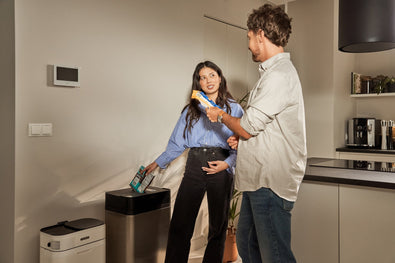
CES has always been a place for bold ideas and ambitious visions. But this year, we noticed a subtle yet important change in how household waste was discussed. The conversations were no longer centered on experimental prototypes or distant sustainability promises. Instead, they focused on complete, workable systems that could realistically fit into daily life. The questions were practical and specific: How does this work at home? What happens next? Where does the material actually go? We at Clear Drop experienced this shift directly through in-depth discussions at our booth and across meetings. People were both curious and analytical. They wanted to understand the full path, from a decision made in the kitchen to a verified recycling or composting outcome. To us, it felt like the beginnings of a quiet yet powerful turning point, where household waste management stops being treated as an abstract challenge and starts actually being addressed with integrated, solvable systems. Recognition at CES 2026: Why It Matters At CES 2026, Clear Drop received two notable recognitions: Best of CES 2026 — Sustainability Best in Show 2026 — The Kitch These acknowledgments reflect growing industry recognition that soft plastic waste is a serious, unresolved challenge, and that addressing it requires complete systems rather than isolated efforts. This recognition helps shift the attention toward practical, household-level solutions that can scale. Media Interest and Industry Conversations Coverage from outlets including CNET, Engadget, Lifehacker, Mashable, Morning Brew, Plastics News, Waste360, housedigest, the kitchn and others focused less on novelty and innovation and more on feasibility and reliability. Conversations centered on real-world implementation, scalability, costs, verification, and ensuring that materials don’t end up in landfills. What the Market Is Finally Ready To Acknowledge Soft plastic waste has long existed in a gray zone of recycling. Grocery bags, wrappers, films, and flexible packaging often fall outside curbside programs, clog sorting equipment, or get rejected entirely. While collection efforts exist on paper, end-to-end processing rarely follows through in practice. This gap is often framed as a user problem: People are confused or choose to simply not participate Now, however, more people are recognizing that this issue is structural, not behavioral. Consumer fatigue with vague green messaging has accelerated this realization. People are increasingly skeptical of initiatives that rely on perfect sorting behavior or municipal overhauls that may never come. The market is now ready for solutions that close the loop — systems that work within real household constraints and deliver reliable outcomes without requiring constant effort or guesswork. From Promises to Systems: What Resonated Most at CES It wasn’t any single piece of technology that stood out most at CES 2026, but the interest in systems that removed uncertainty. People gravitated toward solutions that provided clarity across the entire мwaste management process, from identifying what to throw out where, how to sort it all at home, and how to ensure that materials would be processed and recycled as intended. This end-to-end logic directly addresses what many experience as “guessing fatigue” — the frustration of never being quite sure whether something is recyclable, compostable, or destined for the landfill. When the flow is transparent and verifiable, people start to feel like their efforts are no longer just aspirational, but actually making a difference. The best part is, when the system is simplified and streamlined, those efforts don’t require any extra work. A Complete Household Waste System in Practice Clear Drop’s system is designed around how people actually interact with waste at home. It consists of three interconnected components that work together to simplify decisions, reduce friction, and enable real recycling and composting outcomes. ZeroTrash® AI: Offering clarity at the first decision point Sorting decisions usually happen in seconds, often under uncertainty. ZeroTrash® AI helps users identify the material they’re discarding and how it should be handled. You simply scan the packaging to learn how to dispose of it properly. With ZeroTrash® AI, you can remove ambiguity, reduce mental load, and prevent errors before they happen. Soft Plastic Compactor (SPC): Making recycling physically possible Soft plastics are lightweight but voluminous, making them difficult to store and transport. The Soft Plastic Compactor (SPC) addresses this obstacle by compressing bags, wrappers, and films into dense, uniform bricks using controlled heat and pressure. A month’s worth of household soft plastic waste can be reduced to a compact block about the size of a shoebox. This process dramatically reduces volume, eliminates mess and odors, and prepares materials in a form that verified recycling partners can actually process. The SPC is designed for everyday household use and is already being adopted by small businesses that are turning an unmanageable waste stream into a stable, shippable resource. Organics Collector (OC): Separating food waste cleanly Food waste presents its own challenges, including odors, pests, and hygiene concerns. The Organics Collector (OC) enables clean, consistent separation of food scraps, keeping organics out of the general trash stream. By controlling smells and leaks, it removes one of the biggest psychological barriers to daily composting and supports cleaner downstream processing. Together, these components form a user-centered loop that involves clear identification and effective preparation to achieve verifiable results. CES in Context: A Broader Industry Shift Several CES sessions reinforced this direction. In discussions led by Corie Barry (CEO of Best Buy) and Michael Kassan (CEO of 3C Ventures), a clear theme emerged: Modern systems are no longer about transactions or channels, but long-term relationships built on trust. In this model, technology works best when it fades into the background, quietly enabling confidence, consistency, and ease. This philosophy closely aligns with Clear Drop’s approach to waste. We believe in building infrastructure that supports daily habits without demanding constant attention or heroic effort. What This Signals for the Future of Circular Living Circular living shouldn’t solely rely on individual discipline. As CES 2026 made clear, the future lies in systems that handle complexity behind the scenes, reduce decision fatigue, and support people where they already are. When tools are designed around real behavior and frustrations — such as time constraints, uncertainty, and limited attention — sustainable habits become repeatable rather than exceptional. Real change comes with consistency. Moving Forward Without the Hype CES 2026 marked a meaningful milestone for us at Clear Drop, but it’s hardly an endpoint. The work ahead — learning from our users, refining our products, and scaling what already works — will be subtler but just as meaningful. Clear Drop will continue to focus on workable systems that actually follow through on their promises. The conversation around household waste is evolving — and so are the tools that support it. Now we keep going. Thank you for being a part of our journey.

Post-Holiday Waste Reset: Starting 2026 With a ...
The holidays may bring plenty of celebration — but they can also leave a big mess, between a cluttered kitchen, overflowing trash bins, and a lingering sense of waste overload....
Post-Holiday Waste Reset: Starting 2026 With a Clean, ZeroTrash® Kitchen
The holidays may bring plenty of celebration — but they can also leave a big mess, between a cluttered kitchen, overflowing trash bins, and a lingering sense of waste overload. January is not just the start of a new year. It’s a moment of reset. This article is designed to help you regain control of your kitchen in 2026. We invite you to kick-start your year with a practical, sustainable new clean-up routine using Clear Drop’s ZeroTrash® AI, Soft Plastic Compactor (SPC), and Organics Collector (OC). Why Post-Holiday Waste Feels Overwhelming During the holidays, our normal routines are often disrupted: More meals are cooked at home. More food is stored and discarded. More packaging enters the house through gifts and deliveries. Less attention is paid to sorting and cleanup. When everything returns to “normal,” the accumulated waste starts to become visible all at once. You may feel a sense of frustration or guilt, or just want to avoid it all together. A reset works best when it focuses on systems, not willpower. The Holiday Waste Surge: Facts and Figures Multiple municipal and environmental studies show that household waste increases significantly during the holiday period. In many regions, waste volumes rise by up to 25% between late November and early January. The main contributors include: Gift packaging and wrapping materials Plastic films and protective packaging from online orders Food scraps and expired leftovers Disposable party and serving items This surge in waste isn’t a failure of individual responsibility — it’s a predictable seasonal pattern. The key is how households respond after the holidays. Common Post-Holiday Recycling Challenges Once the celebrations are over, households often face the same challenges: Mixed piles of packaging with unclear recycling rules Soft plastics stuffed loosely into trash bags Leftover food that no one wants to eat but doesn’t feel “right” to throw away Bins that are full before the next pickup Without clear guidance, many people default to the fastest option: throwing everything away. This is exactly where better tools — not stricter rules — make the biggest difference. How ZeroTrash® AI Simplifies Sorting of Leftover Packaging Post-holiday cleanup involves a wide variety of unfamiliar packaging, including: decorative wraps, plastic films, protective layers from gifts, and specialty food packaging. ZeroTrash® AI helps you figure out how to sort all of it. You can scan each item to get immediate clarity on whether something qualifies as soft plastic and how it should be treated. Instead of guessing or memorizing rules, you can rely on consistent, real-time guidance, reducing decision stress and sorting fatigue. Managing Soft Plastics From Gifts and Wrapping With the SPC Soft plastics are one of the biggest sources of post-holiday waste. They are light, flexible, and take up far more space than expected. With the Soft Plastic Compactor (SPC), you can: Compress wrapping films and plastic liners Reduce trash bin volume Keep materials clean and contained Avoid overflow during the busiest cleanup period Using the SPC alone can instantly make your kitchen feel visibly calmer and more organized. Handling Food Scraps and Leftovers With the Organics Collector (OC) Food waste peaks after the holidays. Leftovers expire, party ingredients go unused, and storage containers fill quickly. With he Organics Collector (OC), you can: Separate food scraps immediately Prevent odors and pests Reduce reliance on trash bins for organic waste Keep the kitchen hygienic Stop throwing all your food waste in the trash and start dealing with it cleanly and consistently. Step-by-Step Kitchen Reset Guide for 2026 A post-holiday reset doesn’t need to take up so much of your time and energy. Just follow this simple, structured approach: Clear all visible waste from counters and storage areas. Scan unfamiliar packaging with ZeroTrash® AI. Separate soft plastics and compact them using the SPC. Dispose of food scraps daily using the OC. Most households complete this process in one afternoon, and notice immediate improvements in space and cleanliness. Turning Cleanup into Sustainable Habits The real value of a reset isn’t the cleanup itself — it’s what happens afterward. By keeping ZeroTrash® AI accessible and using the SPC and OC as part of your daily routine, waste sorting becomes faster, easier, less emotional, and more automatic. Instead of always depending on your motivation, you can rely on a tried-and-true system. That’s what helps turn a New Year’s intention into a lasting habit. Before-and-After: Real Results from ZeroTrash Users Households that adopt a structured post-holiday reset commonly report: Less trash overflow Fewer unpleasant odors Cleaner recycling streams Lower stress around waste sorting The kitchen doesn’t just look better — it functions better. Get a Clean Start Without the Pressure A new year doesn’t require perfection, just a little clarity and cleanliness. By keeping waste decisions simple and consistent — with tools like ZeroTrash® AI and Clear Drop’s SPC and OC — you can regain control of your kitchen and build solid routines that fit seamlessly into your everyday life.

From Trash to Treasure: Real Products Made From...
Fun fact: Soft plastics aren’t “unrecyclable.” They’ve just been collected the wrong way for over 30 years. In the U.S., millions of tons of plastic film and bags are generated...
From Trash to Treasure: Real Products Made From Recycled Soft Plastics (and How Clear Drop Makes It Happen)
Fun fact: Soft plastics aren’t “unrecyclable.” They’ve just been collected the wrong way for over 30 years. In the U.S., millions of tons of plastic film and bags are generated annually. However, only a small fraction is actually recycled because curbside systems are not designed to process flexible plastics. EPA data shows plastic recycling rates remain under 10%, with plastic film even lower. The thing is, most soft plastics are perfectly reusable. They have the potential to live another 50+ years as something useful — that is, if they arrive at recyclers properly clean and compact. That’s exactly what the Clear Drop Soft Plastic Compactor (SPC) has been designed to do. What Actually Happens After You Compact Your Soft Plastics With the SPC Mechanical recycling is most efficient when the materials are single-stream and uncontaminated. This all starts with your SPC. Here’s how your soft plastics go from your home to living a new life: Add clean, dry LDPE/LLDPE (Low-Density Polyethylene/Linear Low-Density Polyethylene) plastic films to your SPC. These typically include general packaging film, bags, and liners. The plastic is compressed into a dense, low-contamination block. Blocks are sent to certified U.S. recycling partners (film processors). They’re then shredded, melted, and pelletized into post-consumer rLDPE. Pellets become real everyday products, such as outdoor furniture, plastic lumber, and reusable bags. High-purity LDPE film is one of the most sought-after recycled polymers — as long as the input quality is clean. Simply put: cleaner input leads to higher-grade output and more end-market applications. That’s the SPC advantage. 7 Real Products Made From Recycled Soft Plastics in the U.S. Right Now Here are a few valuable ways your soft plastics are being reused: Product Real Brand Examples Bags/Film Per Item Lifespan Composite decking & railing Trex (world’s largest manufacturer of wood-alternative decking products) ~2,800 bags per 16-ft. board 25-50 years Outdoor furniture & benches Envision, Polywood ~3,500 bags per 6-ft. bench 50+ years Plastic lumber (boards, posts) Bedford Technology ~4,200 bags per 2×6×8 board 50+ years Shipping pallets Greystone Logistics, ORBIS ~2,000–2,500 bags per pallet 10+ years Reusable bags & mailers EcoEnclose, Bag-2-Bag programs 80–100 bags per reusable 5-10 years Playground safety surfacing Surface America, SofSolutions ~800,000 chip wrappers per 1,000 sq ft. 15-25 years Underground conduit & piping ADS (Advanced Drainage Systems) Made from recycled film 100+- year design life These are not prototypes! You can buy these products at major stores, including Home Depot, Lowe’s, and Menards, and see them being used in parks, schools, and homes across the U.S. Recycled soft plastics are already everywhere — you’ve probably just never noticed them. Why Recycling Soft Plastics Actually Matters (The Numbers That Don’t Lie) Recycled plastic has lower carbon intensity than virgin resin (https://plasticsrecycling.org/resources/lca). Recycling one ton of plastic film avoids substantial CO₂ emissions and resource extraction (obtaining raw materials) (https://www.epa.gov/warm). Plastic reuse programs and businesses create more jobs than landfill disposal (https://www.tellus.org/). LDPE recycling significantly reduces energy demand vs. virgin production (https://plasticsrecycling.org). The future isn’t necessarily about “less plastic.” It’s about properly circulating the plastic we already have. Drop Off vs. Clear Drop SPC — Why the SPC Wins Why is the plastic recycling drop-off system so ineffective vs. the SPC? Let’s dig deeper. Problem Drop-Off System Clear Drop SPC Contamination risk High (open, mixed waste) Low (compacted at source) Sorting required Yes (costly, error-prone) No (single-material stream) Transport cost High (bulky film) Lower (compressed blocks) Recycler acceptance Uncertain High (feedstock ready) Household participation Unstable Structured (consistent, habit-forming) The main difference? The drop-off system tries to recycle after failure happens. SPC prevents failure from the start. Turn Your Trash Into Long-Lasting Products With the SPC, every soft-plastic brick you produce becomes feedstock for real goods. Your plastic may just become: A park bench your kids will sit in A pallet that will move goods for over the next decade A decking board someone will stand on in 2075 Soft plastics aren’t the main problem. Collection is. Get your Clear Drop Soft Plastic Compactor (SPC) to be part of a recycling program that actually works. Stop throwing away raw materials! Start building the future — one compacted brick at a time. ♻️

10 Soft Plastics You Didn’t Know You Could Recy...
Key Takeaways Only 1% of U.S. households have access to curbside film recycling. Home devices like the Clear Drop Soft Plastic Compactor (SPC) fill that gap. Soft plastics make up...
10 Soft Plastics You Didn’t Know You Could Recycle at Home
Key Takeaways Only 1% of U.S. households have access to curbside film recycling. Home devices like the Clear Drop Soft Plastic Compactor (SPC) fill that gap. Soft plastics make up ≈ 21% of the U.S. packaging market, yet only about 13% of all plastic packaging gets recycled nationally. Recycling soft films can reduce GHG emissions by 8%–23% compared to virgin plastic. Every ton of recycled plastics saves ≈ 5,800 kWh of energy and 1.7 metric tons of CO₂ emissions. No matter how diligent you are with recycling, most plastics labeled "recyclable" still end up in landfills. Curbside systems in the U.S. aren't designed for soft films and flexible packaging — meaning these materials often get rejected at the facility. Only 1% of U.S. households can currently recycle film plastics through local collection (The Recycling Partnership, 2021). The Clear Drop Soft Plastic Compactor (SPC) fills that gap — letting you collect and compact soft plastics at home so they can be properly recycled through certified partners. Why Soft Plastic Recycling Matters 21% of U.S. packaging sales are soft plastics — a $41.5 billion market with a recycling rate near zero 13.3% national plastic packaging recycling rate — soft plastics represent only a fraction of that 3.1B lbs of film plastic must be recovered annually just to reach a 30% recycling rate 8–23% reduction in GHG emissions when recycling flexible plastics vs. producing virgin material Clearly, there's plenty of room for improvement — and it can start one home at a time with the Clear Drop SPC. 10 Surprising Soft Plastics You Can Recycle All of the following items are often rejected by curbside systems but can be accepted by the Clear Drop SPC, once cleaned and dried: 1. Ziplock bags Rinse, dry, and add to the SPC. 2. Bread bags (typically LDPE #4) Empty, shake out crumbs, and dry completely before compacting. 3. Cereal box liners Separate the inner film liner, dry it, and add to your SPC. 4. Frozen food bags After use, defrost, rinse off residue, dry, and add to the SPC. 5. Bubble mailers Plastic-only mailers (without paper layers) can be deflated and compacted. 6. Snack wrappers Single-layer poly wrappers (e.g., granola bars) are fine — just avoid any with metallic film. 7. Produce wrap Most cling film from fruit and veggie trays is LDPE — rinse, dry, and compact. 8. Pet food bags Clean out oily residue from PP (polypropylene) bags, dry, and compact. 9. Dry cleaning bags Remove tags or tape, dry, and feed into the SPC. 10. Packaging air pillows Deflate, flatten, and compact these LDPE shipping cushions. When compacted, all of the above films become part of your SPC block — a dense, clean unit ready for recycling. How to Prepare Soft Plastics for SPC Recycling Clean: Rinse off all food or oil. Dry: Air-dry thoroughly. Compact: Insert the plastic into your SPC. Ship or Drop Off: Send your full soft-plastic block to a Clear Drop partner. Do's and don'ts Do: Rinse and dry plastics, remove labels, keep items light.Don't: Include wet, dirty, or foil-lined film. What Happens After Collection: The SPC Recycling Process From your home to a new product SPC blocks go to certified U.S. recycling partners like Frankfort Plastics in Indiana — where plastics are sorted, shredded, cleaned, and pelletized into new resin used for outdoor furniture, decking, and composite pallets. Transport & Inspection: SPC blocks go to certified U.S. partners, such as Frankfort Plastics in Indiana. Sorting & Shredding: Plastics are sorted and granulated. Cleaning & Pelletizing: Flakes are washed and melted into new resin. Reuse: Resin becomes new durable construction products — outdoor furniture, decking, composite pallets. The energy impact According to the EPA, recycling one ton of plastics saves ≈ 5,800 kWh of energy and prevents 1.7 metric tons of CO₂ emissions (EPA 2024). By using the SPC, you help turn hard-to-recycle films into feedstock for new products — closing the loop. The Clear Drop SPC in Numbers Metric U.S. Statistic Source Soft-plastic share of packaging ≈ 21% ($41.5 billion market) Packaging Digest 2023 National plastic-packaging recycling rate 13.3% US Plastics Pact 2024 Households with film recycling access ≈ 1% The Recycling Partnership 2021 Goal for 30% film recycling 3.1 billion pounds needed annually The Recycling Partnership 2021 GHG savings from film recycling 8%–23% Plastic Film Recycling Org Plastic recycled in North America (2025) 4.2 million tons (≈ 13% of PE/PET/PP) Sustainable Packaging Coalition 2025 Be a leader in better recycling Recycle more than you thought possible with the Clear Drop SPC — and cleanly collect food scraps with the Organics Collector. Explore Clear Drop Solutions →

How Clear Drop’s Soft Plastic Compactor (SPC) R...
At Clear Drop, we're redefining what responsible soft plastic recycling looks like. Our Soft Plastic Compactor (SPC) ensures that your household soft plastics don't just get collected, they get truly...
How Clear Drop’s Soft Plastic Compactor (SPC) Recycling System Works | Clear Drop
At Clear Drop, we're redefining what responsible soft plastic recycling looks like. Our Soft Plastic Compactor (SPC) ensures that your household soft plastics don't just get collected, they get truly recycled into new, long-lasting materials through certified U.S. partners. Key Takeaways The Clear Drop SPC compacts household soft plastics into dense blocks ready for certified recycling. Compacted blocks are shipped via USPS prepaid labels to Frankfort Plastics (Indiana), a verified U.S. recycling partner. Recycled material becomes durable goods: construction products, outdoor furniture, and composite panels. The system is fully traceable, so you know exactly where your plastic goes and what it becomes. Use the ClearDrop Recycling Scanner to identify which soft plastics can go in the SPC. Where the waste goes after the SPC Every SPC block you send represents real impact. Once compacted, your soft plastics are shipped to verified recycling partners like Frankfort Plastics (Indiana), specialists in processing post-consumer soft plastics into high-quality, reusable raw materials. Transparency is at the core of Clear Drop's mission. You deserve to know where your waste goes and what it becomes after leaving your home. ~9% of all plastic ever produced has been recycled. Most ends up in landfills or the environment. 100% of SPC blocks are shipped to verified U.S. recycling partners, with no guessing where your plastic goes. 3 prepaid mailers are included each quarter. Drop them at USPS or schedule a pickup from home. 0 soft plastics are accepted by most curbside programs. The SPC helps fill that gap. How Clear Drop recycling system works Our process is simple, traceable, and circular, designed for convenience and accountability. Receive your mailers.Each quarter, you'll receive a set of three prepaid SPC mailers with shipping labels. Send your compacted block.Once your block is full, place it in a mailer, attach the prepaid label, and seal it. Drop it off or schedule pickup.Leave your package for USPS pickup or drop it at any nearby post office. We take it from there.Your block is delivered to a certified facility, where it's sorted, shredded, and transformed into recycled soft plastic for new products. Watch the full ClearDrop SPC recycling process on YouTube to see how your soft plastics are compacted, shipped, and transformed into new materials. What the waste becomes after it's recycled Your compacted plastics begin a new, sustainable life. After processing, the recycled SPC material is used in: End Product Category Composite decking and outdoor furniture Construction & outdoor Composite panels Industrial components Durable construction materials Building & infrastructure Each block you send helps reduce landfill waste, prevent microplastic pollution, and support circular manufacturing. How Clear Drop compares to other soft plastic recycling options Clear Drop SPC Store Drop-Off Curbside Recycling Accepts soft plastics ✅ Yes ✅ Limited ❌ No Verified end destination ✅ Yes ❌ No ❌ No Works from home ✅ Yes ❌ No ✅ Yes Traceable recycling chain ✅ Yes ❌ No ❌ No Prepaid shipping included ✅ Yes ❌ No N/A Material becomes new products ✅ Verified ⚠️ Unverified ❌ No Our recycling partners We carefully select and audit our U.S. partners to ensure full accountability and compliance with national recycling standards. Current verified partner: Frankfort Plastics — Indiana, USA (post-consumer soft plastic recycling) We're expanding our network with additional regional facilities planned for 2026, ensuring shorter logistics chains and a lower carbon footprint. Why Clear Drop matters for sustainable waste management Most soft plastics never get recycled. Instead, they break down into microplastics and contaminate soil, water, and air. Did you know? Soft plastics wrap around sorting machinery at recycling facilities, causing shutdowns and contaminating other materials. That is why curbside programs usually reject them. Compacting soft plastics reduces their volume by up to 50x, making transport dramatically more efficient and cost-effective for recyclers. Recycled soft plastic becomes long-lasting materials like composite decking and construction panels, not single-use products. Why this matters When soft plastics aren't properly recycled, they fragment into microplastics that contaminate soil, waterways, and the food chain. The SPC closes this loop by ensuring your plastics reach a verified facility, not a landfill. With Clear Drop's SPC system, you're helping: Prevent plastic fragmentation and microplastic pollution Cut greenhouse gas emissions from landfill decomposition Promote transparent, traceable recycling across the U.S. Together, we're building a clear, closed-loop recycling model, one SPC block at a time. 1 year of using SPC Ready to start recycling soft plastics from home? The SPC handles collection, compaction, and shipping to verified U.S. recyclers, all in one system. Pre-order the SPC